
Age-related macular degeneration (AMD) is a complex degenerative retinal disease that is a leading cause of vision loss among people age 50 and older. It causes damage to the macula, a small area in the center of the retina and the part of the eye needed for sharp, central vision. The retina turns light into electrical signals which travel through the optic nerve to the brain, where they are translated into the images we see. When the macula is damaged, the center of your vision may appear blurry, distorted, or dark.
Age is a major risk factor for AMD, with most cases occurring after age 60. Other risk factors for AMD include smoking, Caucasian race, family history of AMD, history of heart disease, elevated serum lipids, and overexposure to bright sunlight (especially UV rays). Lifestyle choices such as exercise, avoiding smoking, maintaining normal blood pressure and cholesterol levels, and eating a healthy diet rich in green, leafy vegetables and fish can reduce your risk or slow AMD progression.
Benjamin Eye Institute networks with a number of optometrists and optical boutiques all over Los Angeles. These are professionals we feel comfortable recommending, all hand-picked to provide our patients with the best optical choices and service. Find an optometrist near you in:
During traditional cataract surgery, the surgeon implants a monofocal artificial lens, commonly called an intraocular lens (IOL). However, if you have astigmatism, you may still experience blurred vison, because a standard IOL cannot correct this condition. In January 2007, Medicare approved a new monofocal lens called the AcrySof Toric IOL for patients with cataracts and astigmatism. This lens is highly effective in correcting both conditions and delivering renewed vision.
It can be disruptive to constantly locate your readers every time you want to check your email or look at a menu. The simple, 10-minute Raindrop Near Vision Inlay procedure is a long-term solution that can reduce (or eliminate) your need for reading glasses.
Unfortunately, we no longer offer this implant at Benjamin Eye Institute. If you would like to learn about our other Lens Replacement procedures, please check out Symfony Toric, Restor, Crystalens, and more to see if they are right for you.
Most patients with cataracts also suffer from astigmatism. When they undergo cataract surgery with a standard lens implant, which is incapable of correcting astigmatism, they are often disappointed with their vision. Toric IOL is an implantable intraocular lens that's designed to correct astigmatism, providing patients with exceptionally clear vision and often eliminating the need for glasses after cataract surgery.
Visian ICL represents the next generation in vision correction procedures. A highly effective alternative to LASIK, glasses and traditional contacts, it is an implantable contact lens that is surgically inserted to provide clear, high-quality vision around the clock.
Before The Surgery Take any prescribed heart, blood pressure and eye medication at your usual times (you can take minimal amount of water with your medications if needed, however do not eat or drink anything else). The morning of the surgery discontinue all eye medications in the eye that will be operated. Please continue with […]
As your age changes, so does your vision. On this page, we've outlined the symptoms, conditions and treatments you'll need to be aware of at every stage of your life – from your 20s to your 60s and beyond.
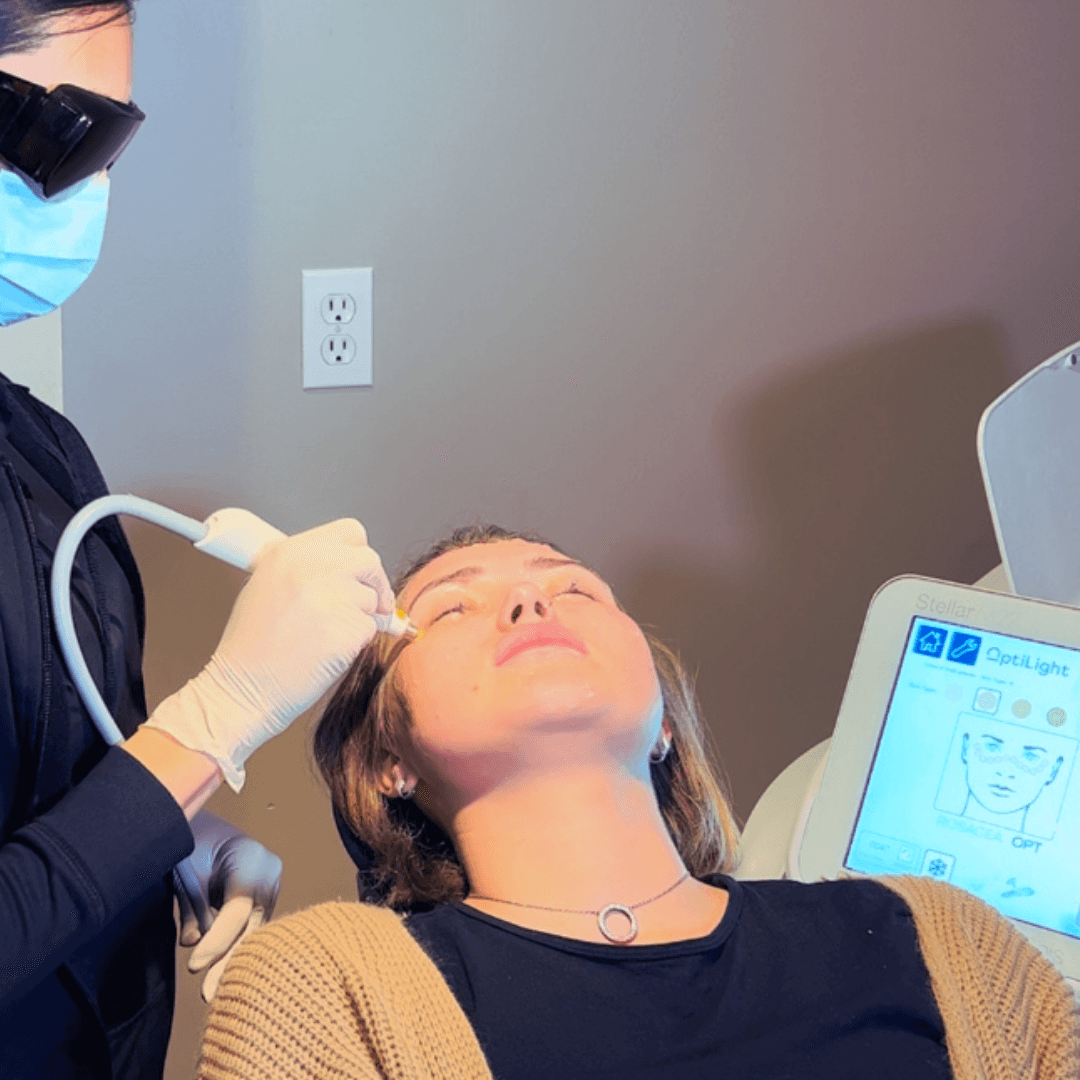
After completing your comprehensive dry eye exam, if MGD (Meibomian Gland Dysfunction) is determined to be the cause of your dry eye disease, IPL treatments may be recommended. OptiLight with Lumenis patented Optimal Pulse Technology uses precise, intense broad-spectrum light to reduce inflammation – one of the key underlining factors in dry eye disease due to MGD.

Top causes of dry eyes are environmental factors, meibomian gland dysfunction, menopause in women, contact lens use, vitamin A deficiency as well as certain medications and diseases. Get to the root of your dry eye problem by scheduling a consultation with Dr. Benjamin.