310.275.5533
call or text
310.275.5533
call or text
Home » Ophthalmology Blog » Cataracts FAQs

Cataracts FAQs

Published: May 16, 2023

At Benjamin Eye Institute, we wish for our patients to learn as much as possible when it comes to conditions and treatments we offer, such as cataracts and cataract surgery. Below is a list of our most frequently asked questions.
If you have a question not found on this page, or if you would like to schedule a free consultation at Benjamin Eye Institute, please call us today at 310.275.5533.

Cataracts Frequently Asked Questions

When is Someone Likely to Develop Cataracts?

Cataracts develop slowly over many years and are frequently experienced in the later years of life. It is estimated that nearly half of the US population will have a cataract in one or both eyes by the age of 65, and nearly every person age 75 and over will have a cataract in at least one eye. There are certain conditions or behaviors which increase your likelihood of developing a cataract. Risk factors include:

  • Certain medical conditions like diabetes
  • Alcohol or tobacco use
  • Prolonged exposure to ultraviolet light

What are the Risks Associated with Cataract Surgery?

As with all surgical procedures, there are risks involved with cataract surgery which include infections or bleeding. Dr. Benjamin may ask that you temporarily stop taking certain medications such as blood thinners, which can increase your risk of excessive bleeding during surgery. Following your cataract surgery, it is imperative that you keep your eye clean and free of debris in order to allow it to heal properly, and to minimize your risk of developing an infection.

What are the Side Effects of Cataract Surgery?

Complications following cataract surgery are rare and can be minimized by carefully following Dr. Benjamin's post-operative instructions. In most instances, any side effects are controlled with several medications prescribed by Dr. Benjamin. Cataract surgery presents an increased risk of retinal detachment, especially in those who have nearsightedness. Retinal detachment is a painless condition that may first be detected if you notice small lines or specks which appear in your field of vision – or flashes of light. While this is a rare complication, it is important to be aware of it.

What is a 'Secondary Cataract?'

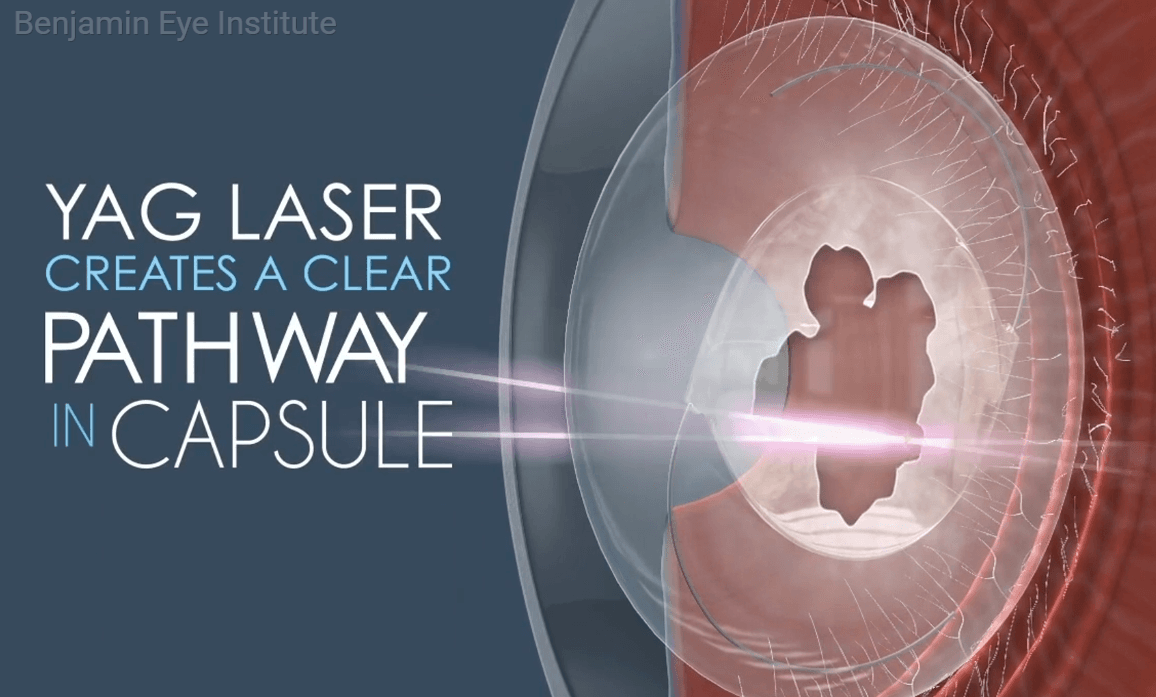
In a small number of cases, approximately 20 to 30 percent, the back portion of the lens capsule left inside the eye becomes cloudy causing vision to once again become blurry. This is known as a 'secondary cataract.' This condition may be treated by a less-invasive surgical procedure known as YAG laser capsulotomy, a laser treatment used to correct the haziness created by the secondary cataract. In the majority of instances, this 15-minute procedure will remove the haze and restore clear vision.

Will I Need Glasses Following my Cataract Surgery?

You may. The standard cataract surgery includes intraocular lens implantation. If you choose this surgical procedure, it is likely that you will need reading or computer glasses following your cataract surgery. There are other options, including the placement of advanced lenses. Laser cataract surgery with premium implantable lenses can allow many patients to spend their days glasses-free. Another option is monovision cataract surgery, in which the degree of correction is customized for each eye in order to achieve clear vision.

Does Cataract Surgery Hurt?

You should experience very little discomfort during cataract surgery. While you will be awake during the entire procedure, it is quite possible that you will not remember much from your surgical procedure. You will be given a mild sedative upon your arrival to the Benjamin Eye Institute which will allow you to relax in preparation for your procedure. Additionally, Dr. Benjamin will place numbing eye drops into your eyes to prevent any discomfort.

What Happens if Cataracts are Left Untreated?

Cataracts are a gradual condition of the eye, resulting in degeneration of your vision. If left untreated your cataracts will continue to worsen, continually reducing you vision. Your ability to perform your normal activities such as driving, or walking can be affected, and will eventually become dangerous. Many people become legally blind if cataracts are not treated.

Are There Nonsurgical Treatment Options for Cataracts?

When cataracts are originally diagnosed, you may be experiencing blurred or cloudy vision, sensitivity to light, problems seeing at night, double vision, dull colors, or changes to your glasses or contacts prescription. Early treatment of cataracts is designed to minimize these symptoms and slow the progression of cataracts. Protecting your eyes from harsh ultraviolet rays through the use of specialized lens coatings on your glasses may help to alleviate your symptoms. Furthermore, you may find adjusting the position of lamps or reading lights to be helpful. While these lifestyle choices may be able to delay your need for surgical treatment, ultimately surgery will be necessary to save your vision.

When is the Right Time to Have Cataract Surgery?

Cataracts which are mild or are not causing significant impairment to your vision may not need to be corrected immediately. Dr. Benjamin may choose to watch your condition to see how it progresses before recommending surgery. However, if you have noticed changes to your vision and have been diagnosed with cataracts, it is likely that it is already time to have cataract surgery. Sometimes, however, insurance companies and Medicare require that your vision deteriorate to a certain point before deeming cataract surgery medically necessary and approving coverage for the procedure.

Back

SEE WHAT OURPATIENTS HAVE TO SAY

Posted on Google Google
Jim B profile picture
Jim B
Google star 1Google star 2Google star 3Google star 4Google star 5Trustindex verifies that the original source of the review is Google.
Everyone is always pleasant and kind and attentive. Focused and on schedule.

Owner's reply
Thank you for your wonderful feedback, Jim! We're thrilled to hear you had a great experience from start to finish. Your recommendation means a lot to us! We look forward to serving you again in the future.
Posted on Google Google
Nick Ben-Meir profile picture
Nick Ben-Meir
Google star 1Google star 2Google star 3Google star 4Google star 5Trustindex verifies that the original source of the review is Google.
Efficient service, and Dr Benjamin ahead of the curve, as always

Owner's reply
Thank you for your 5-star review, Nick!
Posted on Google Google
sharon piehl profile picture
sharon piehl
Google star 1Google star 2Google star 3Google star 4Google star 5Trustindex verifies that the original source of the review is Google.
Everyone was very kind and I felt comfortable being there for the first time.

Owner's reply
Dear Sharon, Thank you so much for your kind review. We’re so glad to hear that you felt comfortable and well cared for during your first visit. We truly appreciate you choosing Benjamin Eye Institute and look forward to seeing you again. The Benjamin Eye Institute Team
Posted on Google Google
Luba Lubov profile picture
Luba Lubov
Google star 1Google star 2Google star 3Google star 4Google star 5Trustindex verifies that the original source of the review is Google.
Great experience and I recommend this eye doctor.

Owner's reply
Thank you, Luba, for your very kind words! Looking forward to seeing you soon at Benjamin Eye Institute!
Posted on Google Google
Peter Trivelas profile picture
Peter Trivelas
Google star 1Google star 2Google star 3Google star 4Google star 5Trustindex verifies that the original source of the review is Google.
Profesional, skilled, personal, friendly.

Owner's reply
Thank you so much, Peter! Your kind words mean a great deal to us!
Posted on Google Google
Marjorie Dick Stuart profile picture
Marjorie Dick Stuart
Google star 1Google star 2Google star 3Google star 4Google star 5Trustindex verifies that the original source of the review is Google.
Always the best! Beautiful office, beautiful , helpful staff, amazing customer service, all the best equipment, and the best doctor. They will take good care of you!

Owner's reply
Thank you so much, Marjorie! Your kind words mean a great deal to Dr. Benjamin and our entire team! We truly appreciate your trust!

Related Articles

The No-Regrets Guide to LASIK

The No-Regrets Guide to LASIK

August 13, 2026

You may put your vision in the best hands by asking the proper questions of a potential LASIK physician using this No-Regrets Guide. We've included our own responses to these inquiries to prevent you from having to conduct an interview. But if you need more explanation or have other worries, let us know! We are at your service.

more
Why Your “Redness Relief” Eye Drops Aren’t Helping (and might actually be hurting)

Why Your “Redness Relief” Eye Drops Aren’t Helping (and might actually be hurting)

August 13, 2026

If you first experience a disaster like dry eye, the fundamental rule and recommendation would be to speak with a skilled ophthalmologist before putting anything in your eyes. Since choosing a treatment requires more pathophysiological understanding than simply purchasing the first eye drops you see.

more
Pterygium Removal Recovery Guide: Post-Operative Care Instructions

Pterygium Removal Recovery Guide: Post-Operative Care Instructions

July 20, 2026

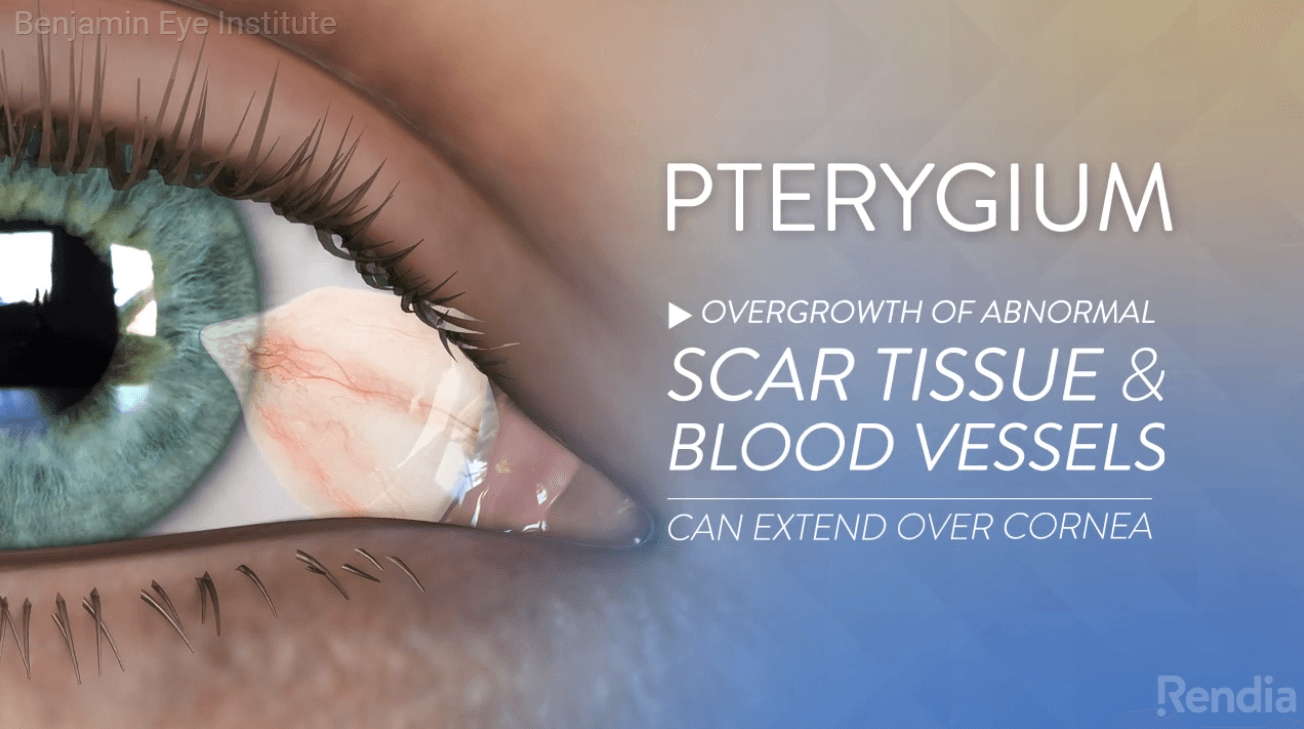
Pterygium removal is a surgical procedure that removes abnormal tissue growing onto the cornea, often followed by a conjunctival autograft or amniotic membrane graft to support healing and reduce recurrence. This recovery guide explains what to expect after surgery, how to use prescribed ointments and drops, why UV protection is essential, how dry eye management supports healing, and when to contact our office during recovery.

more
My Prokera® Slim Treatment: Ocular Surface Treatment

My Prokera® Slim Treatment: Ocular Surface Treatment

June 23, 2026

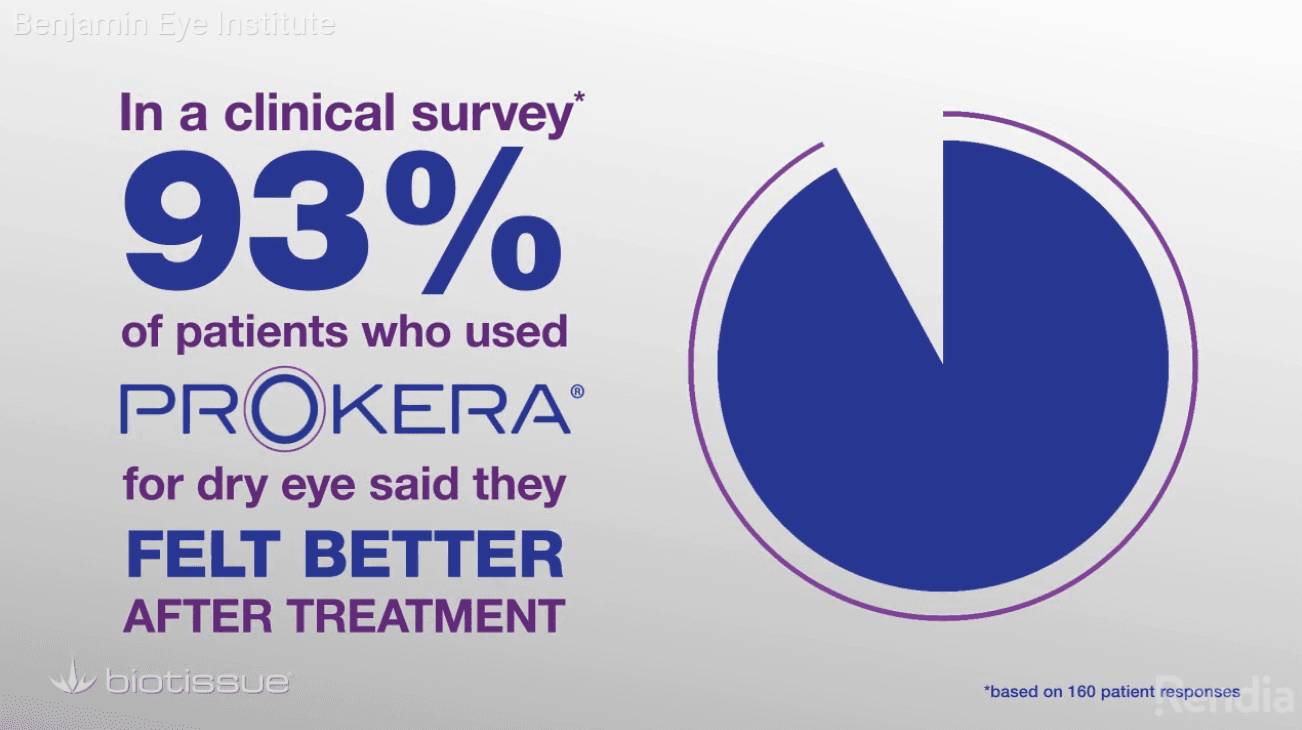
Prokera® Slim is an FDA-cleared biological medical device that uses amniotic membrane to support healing of the ocular surface. This treatment may help reduce inflammation, suppress scarring, and restore damaged eye tissue in conditions such as keratitis, chemical burns, corneal scars, epithelial defects, and severe dry eye. Prokera is placed in the office, worn continuously for several days, and removed by Dr. Benjamin at a follow-up visit.

more
My Valeda Treatment: Age-Related Macular Degeneration

My Valeda Treatment: Age-Related Macular Degeneration

June 17, 2026

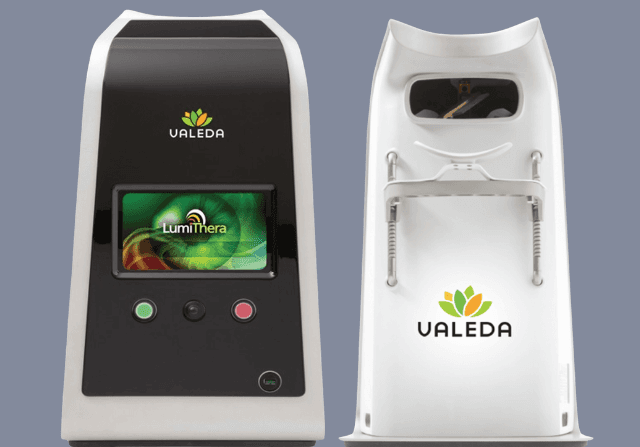
Valeda Light Delivery System is an advanced treatment for dry age-related macular degeneration, designed to support retinal cells and help preserve visual function. The procedure uses photobiomodulation — low-level light therapy with specific wavelengths — and is performed quickly, without pain, eye drops, injections, or recovery time.

more
YAG Laser Capsulotomy: Clearer Vision After Cataract Surgery

YAG Laser Capsulotomy: Clearer Vision After Cataract Surgery

June 17, 2026

If your vision becomes blurry, hazy, or foggy months or years after cataract surgery, it may be caused by posterior capsule opacification — often called a “secondary cataract.” This is a common and treatable condition, not a return of the original cataract. At Benjamin Eye Institute, Dr. Arthur Benjamin performs YAG laser capsulotomy in the office to quickly and painlessly clear the cloudy capsule behind the lens implant, with no incisions or stitches and clearer vision often restored the same day.

more
Blepharoplasty Recovery Guide: Eyelid Surgery Aftercare

Blepharoplasty Recovery Guide: Eyelid Surgery Aftercare

June 17, 2026

Blepharoplasty is a surgical procedure that rejuvenates the upper and/or lower eyelids by removing excess skin, fat, and muscle. This recovery guide explains what to expect after eyelid surgery, including swelling, bruising, cold compresses, suture removal, activity restrictions, and important instructions to support safe healing and the best possible aesthetic result.

more
My SLT Treatment: Laser Treatment for Glaucoma

My SLT Treatment: Laser Treatment for Glaucoma

June 17, 2026

Selective Laser Trabeculoplasty (SLT) is an in-office laser treatment designed to lower intraocular pressure in patients with glaucoma or ocular hypertension. This guide explains how SLT works, what to expect during the procedure, how Dr. Benjamin’s 180° treatment strategy is used, and why SLT may reduce or delay the need for daily glaucoma eye drops.

more

SCHEDULE YOURCONSULTATION TODAY!