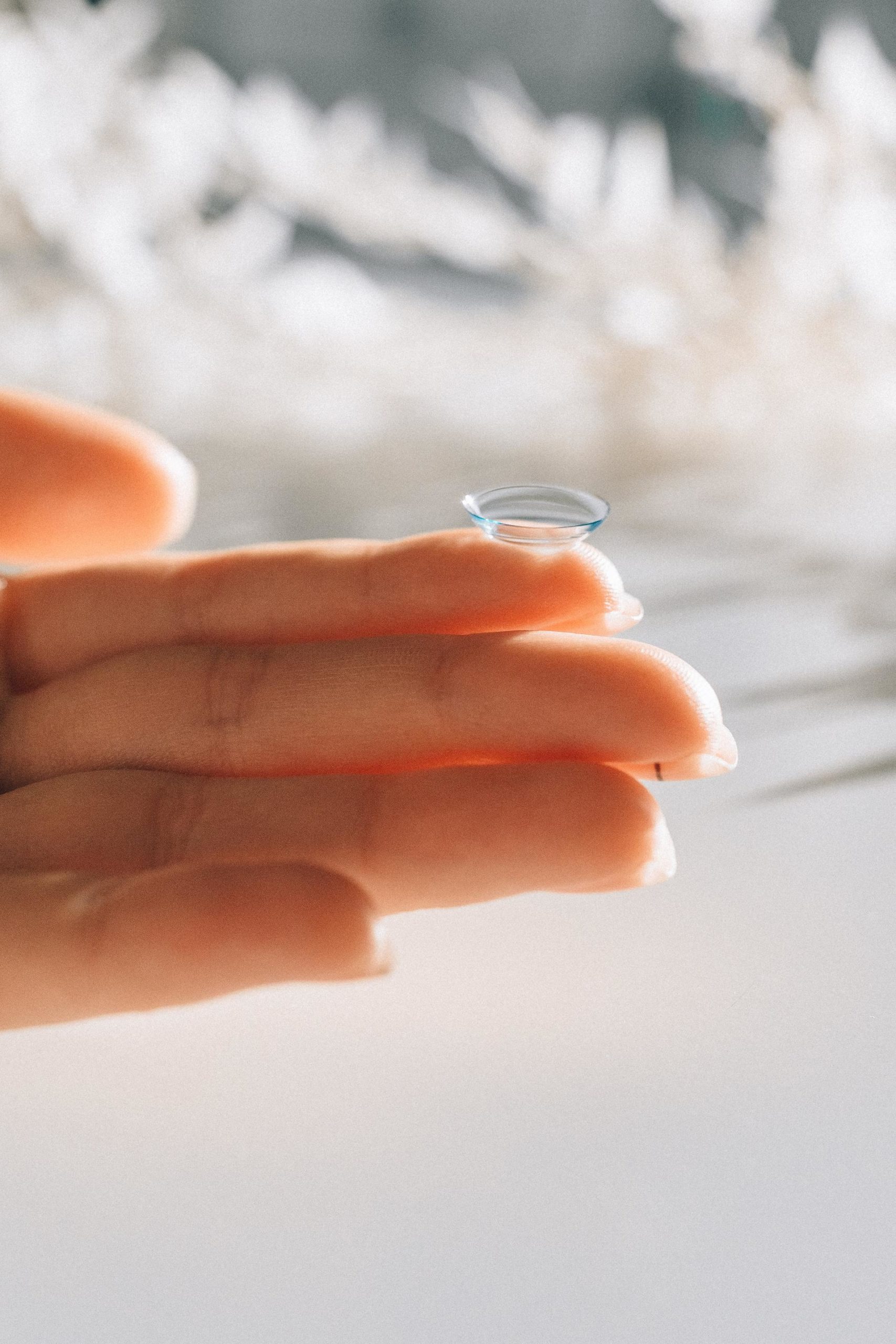
Contact lenses are much more dangerous than LASIK due to potential risk of eye infections, dryness and possible outcome of long-term use of contacts – loss of vision. New technology makes LASIK safe, and just like any other operation complications might happen, but with an experienced surgeon chances are no more that 1-2%. As age-related farsightedness or cataract comes later in life, people who have LASIK need to keep all their medical data. But for those who lost their medical records, we can make special measurements with a machine that gives you data, on the basis of which you know how the lens sits.
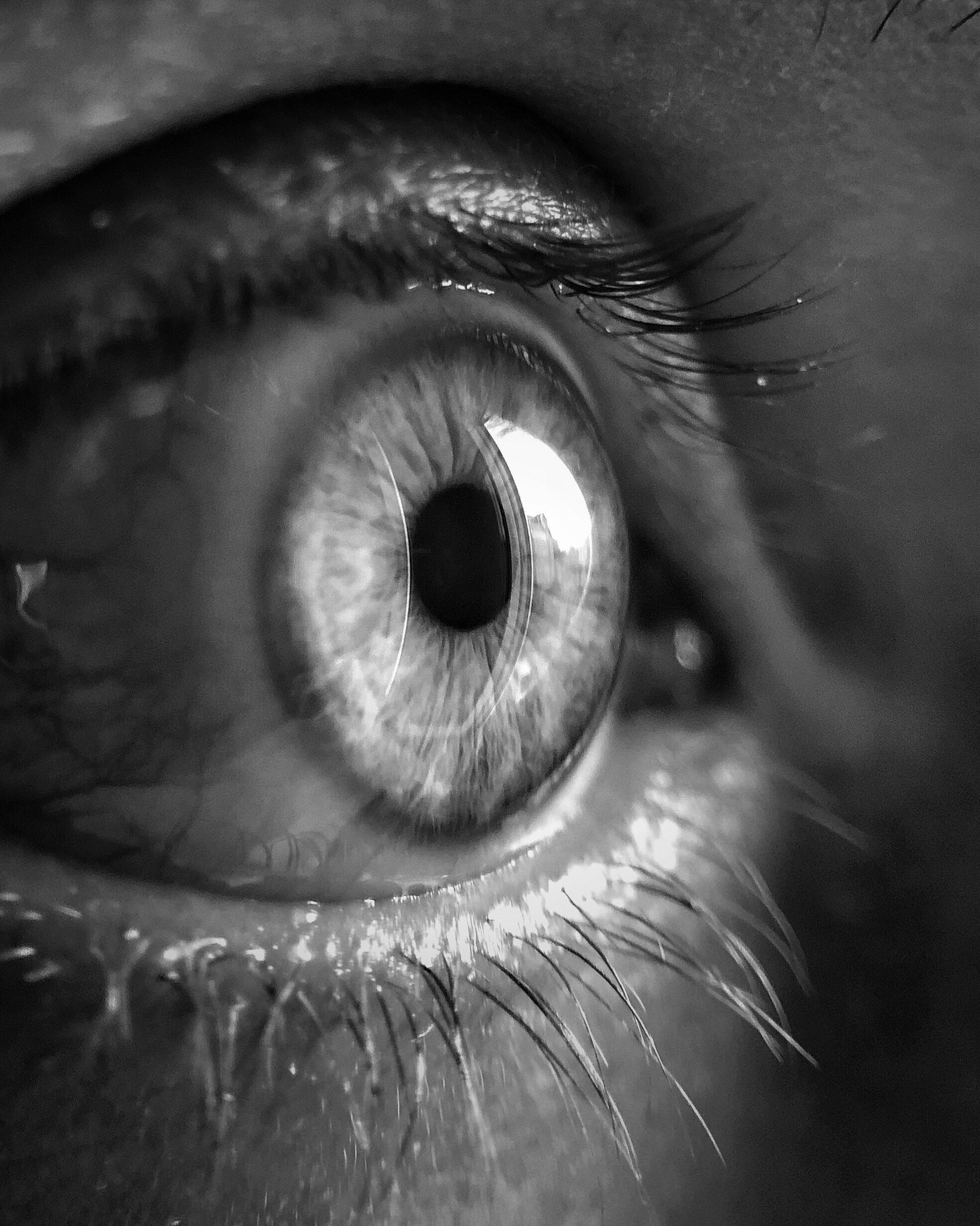
There are probably 100 million people who went through the procedure of Lasik, but a few of them could name a doctor or place, not to mention the measurements before and after the operation. However, it is this kind of information that is fundamental in the successfull treatment of patients with cataract with "Lasik anamnesis".

Tune in for the sweet memories of a former near-sighted person in a communist era!
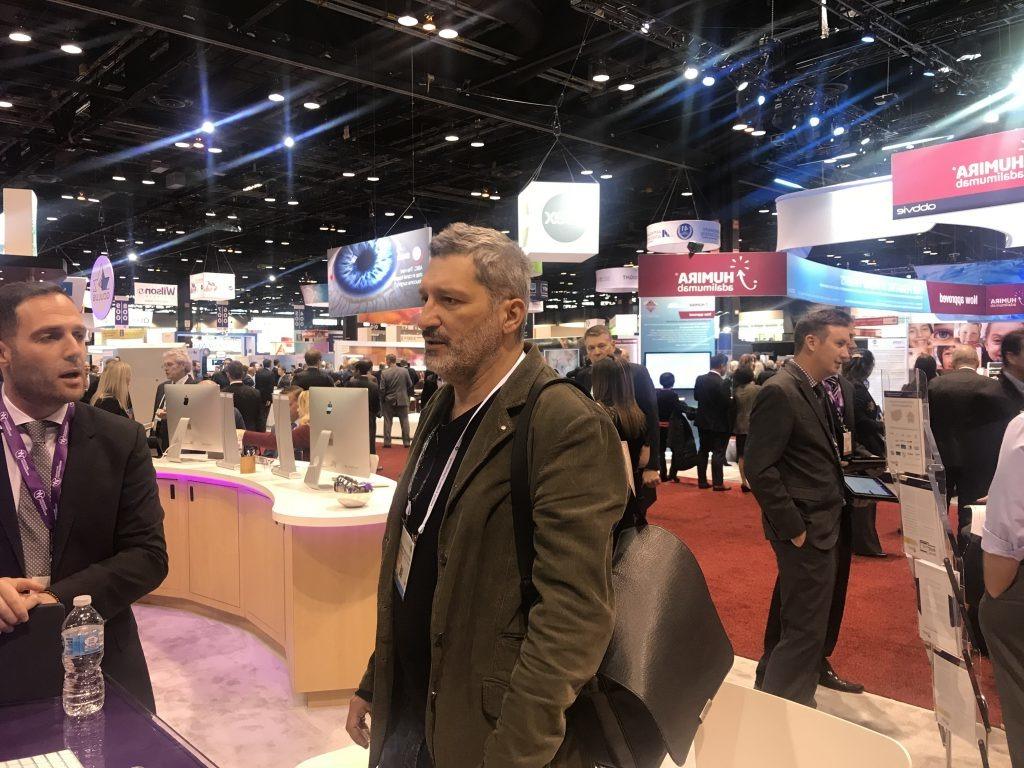
Arthur Benjamin recently returned from the annual conference of the American Academy of Ophthalmology in Chicago, inspired by a REVOLUTION in ophthalmology. To appreciate the path and steps of evolution is necessary to go back to history. From the “age of hard contact lens” to these advanced lenses.