Symptoms
There are a number of symptoms associated with dry eye. Some of the most common ones include:
- A stinging, burning sensation in your eyes
- A sense of a foreign substance in your eyes
- Stingy mucus in or around the eyes
- Increased eye irritation from smoke or wind
- Eye fatigue after short periods of reading
- Sensitivity to light
- Difficulty wearing contact lenses
- Blurred vision, often worsening at the end of the day
Causes
Dry eye can be caused by a number of different underlying factors. Some of the leading causes of dry eye include:
- Aging. About 75% of individuals over 65 suffer from dry eye
- Contact lens wear. Dry eye is the leading cause of contact lens intolerance.
- Hormonal changes in women. Pregnancy, oral contraceptives and menopause can all cause dry eye.
- Laser vision correction procedure. This surgery often temporarily induces dry eye.
- Environmental factors. Environmental factors like windy or desert climates, air conditioning, smoke and air pollution can all cause dry eye syndrome.
- Meibomian gland dysfunction. Patients with this dysfunction typically present with symptoms of burning, irritation, dryness and trouble wearing their contacts. The diagnosis is made by inspection of the glands and their secretions.
- Work environment. Dusty and windy work environments can be harmful to patients and may increase their chances of developing dry eye.
- Medications. Many medications are associated with an increased incidence of dry eye. They include pain relievers, antihistamines, tranquilizers, oral contraceptives, beta blockers, diuretics and antidepressants.
- Screen time. Sitting in front of the computer or tablet for hours on end may cause you to blink less, resulting in dry eyes.
- Certain diseases. A number of diseases are linked to chronic dry eye. They include Sjogren's Syndrome, Grave's disease and diabetes, among others.
- Vitamin A deficiency. This uncommon vitamin deficiency exists with chronic failure to eat sufficient amounts of vitamin A or beta-carotene. Night blindness and dry eye are the first symptoms, and they can eventually progress to total and irreversible blindness.
3 Steps to Freedom from Dry Eye
Schedule appointment with one of our dry eye specialists at Benjamin Eye Institute
Complete the new patient medical history questionnaire
Familiarize yourself with terms, conditions, causes and symptoms
?????
Dry eye treatment options
Restasis®
Restasis is a prescription eye drop that treats dry eye syndrome by increasing your natural ability to produce tears. The product works by reducing chronic inflammation that affects the lacrimal glands (the glands responsible for producing tears.) In this way, it improves both the quality and quantity of the tears your body is able to produce. At the Benjamin Eye Institute, we consider Restasis to be the gold standard for treating serious cases of dry eye.
Because Restasis works by encouraging cellular turnover within the lacrimal glands, it must be used for a minimum of six weeks before results will begin to appear. Once the medication is discontinued, symptoms will resume within several months. As such, studies show that long-term use of Restasis is necessary to obtain effective relief from dry eye symptoms.
Restasis is very safe, and is in fact the only eye drop solution of its kind that is FDA-approved for treating dry eye syndrome. In terms of side effects, patients very rarely experience burning, redness, discharge, watery eyes, pain, foreign body sensation, itching and blurred vision.
(OTC) Over-the-counter eye drops
Over-the-counter eye drops are a very common dry eye treatment. Although these drops are readily available and capable of soothing the eyes and providing temporary relief, they don't actually treat the underlying dry eye problem. As such, Dr. Benjamin and his team instead recommend prescription drops designed specifically to improve dry eye syndrome.
Autologous Serum Eye Drops
Made from your own blood serum, these drops produce a tear substitute that is formulated specifically for your eyes and contains the crucial growth factors and nutrients that are normally found in healthy tears.
BlephEx
This painless, in-office eye treatment helps to provide long-lasting relief from blepharitis and dry eye. During this procedure, years of built-up bacteria and debris are safely removed from along the edge of your lashes, exfoliating your eyelids, and immediately improving uncomfortable symptoms. There is no downtime from this treatment and best results are seen in combination with LipiFlow.
Prokera
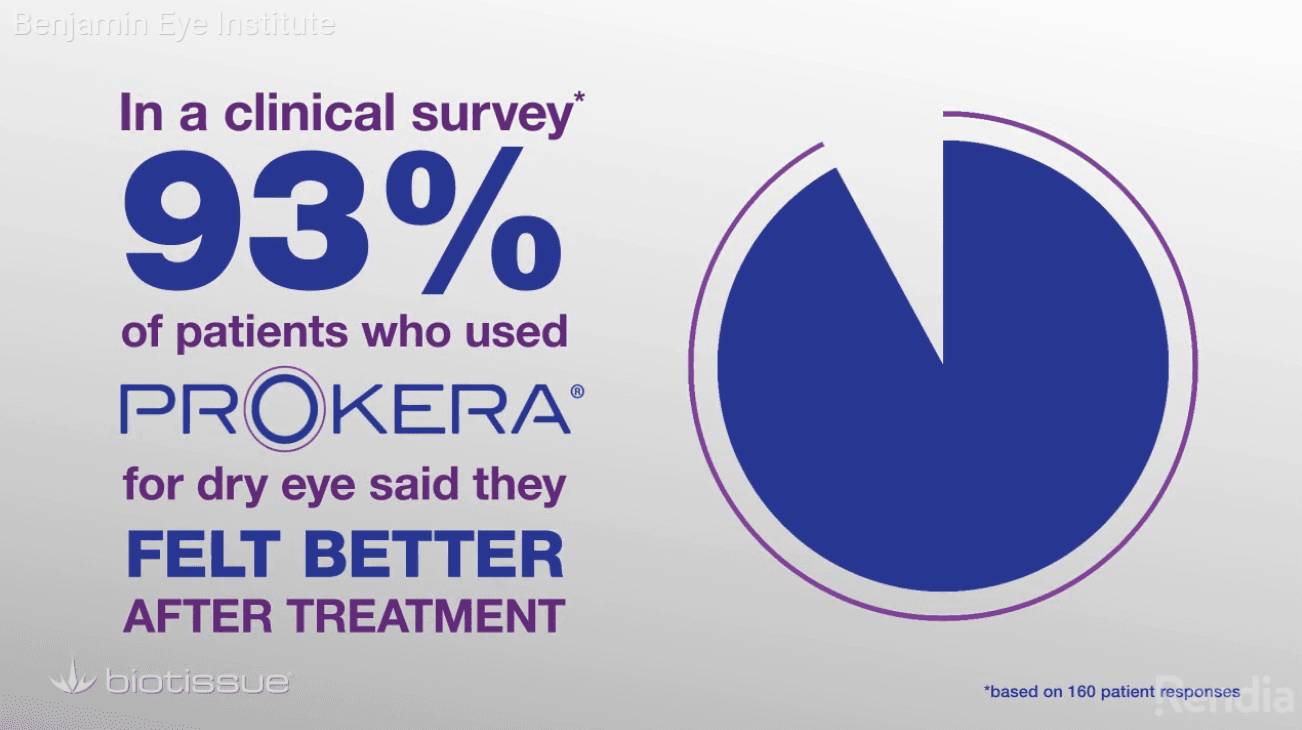
Prokera is a biologic corneal bandage that is cleared by the FDA to treat a number of eye diseases, including dry eye. It is designed to restore a smooth corneal epithelium and reduce inflammation so that your eyes can produce tears normally.
Pterygium treatment
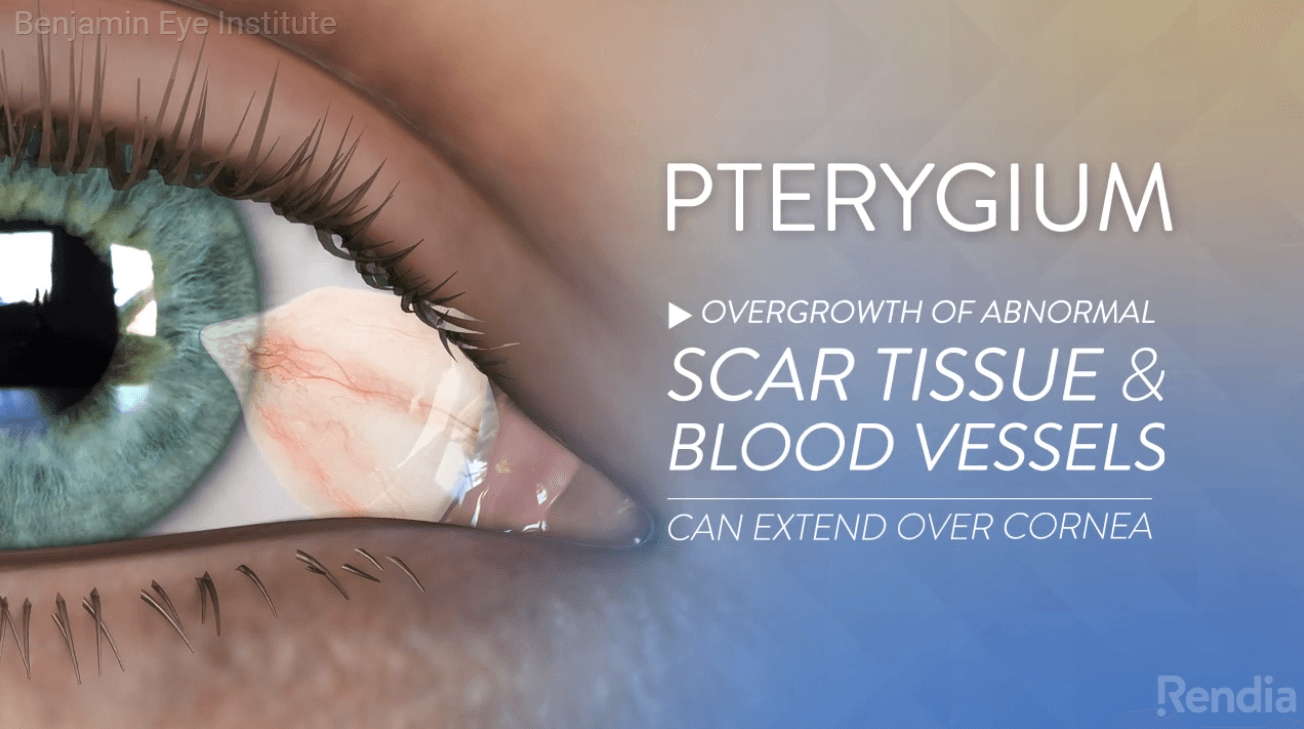
In some cases, dry eye is caused by a condition known as 'surfer's eye,' or pterygium, which occurs when pink tissue grows on the conjunctiva. When the growth causes severe discomfort or interferes with your ability to see normally, an outpatient procedure may be recommended. When performed at the Benjamin Eye Institute, the surgery will be performed without sutures and using amnio grafts to ensure an optimal cosmetic outcome and a reduced risk of a recurrence.
LipiFlow®
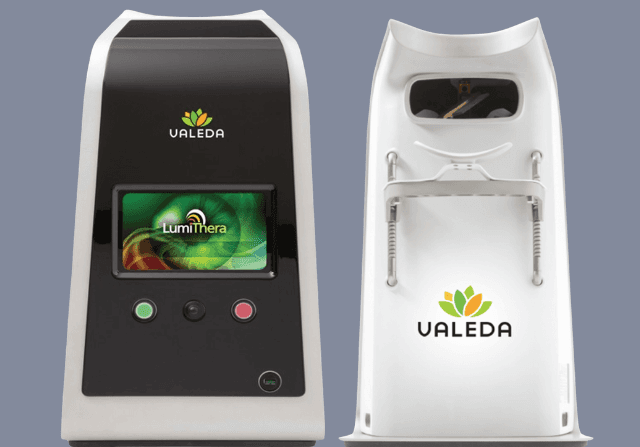
If it is determined that blocked glands are causing your dry eye syndrome, the LipiFlow Thermal Pulsation System may offer an ideal solution. The treatment works by directing warmth to your blocked glands, opening them up so your body can resume producing tear film oil. This in-office procedure takes approximately 12 minutes and is highly effective. In a clinical study, 79 percent of patients experienced an overall improvement in their dry eye symptoms after a single treatment with LipiFlow. Depending on the severity of your dry eye symptoms, you may require additional treatments moving forward to maintain these results.
Punctal Plugs
If you've used drops or ointments in the past and haven't gotten relief from your dry eye condition, Dr. Benjamin may want to occlude (block) your puncta. Puncta are the drainage ducts that your old tears, or extra tears, can escape through while your glands are making new ones. In each of your eyes, there is one punctum in the top eyelid and another on the bottom eyelid, at the corner of the eye that is towards your nose. About 80% of the tears drain from the lower, 20% from the upper puncta. Punctal plugs do exactly what they sound like: they stop the drains, just like the plug in your kitchen sink. Punctal plugs are made of very soft flexible silicone, similar to the material used in contact lenses.
The procedure is quick and painless and can be done within 5 minutes in our office. A small plug will be placed in the puncta of each eye to stop the puncta from draining away tears and help keep the surface of your eye moist and lubricated. Usually, temporary collagen plugs are inserted first to make sure you are a good candidate for permanent silicone plugs. Collagen plugs dissolve on their own within 7-10 days of insertion. Once these plugs have dissolved and it is determined that tear film has increased, permanent silicone plugs can be inserted.
Omega 3 Fish Oil and Vitamin A
Gaining popularity among medical doctors and their patients are vitamins and omega 3 fish oil pills for the treatment of dry eye. Many patients are able to find relief from their dry eye syndrome by supplementing their diet with foods that are rich in omega 3 fatty acids, such as walnuts, cod liver oil, primrose oil and cold-water fish. Additionally, Dr. Benjamin and his team stress the importance of getting enough vitamin A through your diet, as it helps to maintain proper eye moisture. This crucial vitamin can be found in dark green and yellow vegetables, and eggs.
Lumenis OptiLight IPL
After completing your comprehensive dry eye exam, if MGD (Meibomian Gland Dysfunction) is determined to be the cause of your dry eye disease, IPL treatments may be recommended. OptiLight with Lumenis patented Optimal Pulse Technology uses precise, intense broad-spectrum light to reduce inflammation – one of the key underlining factors in dry eye disease due to MGD.
Dry eye and allergies
The body reacts to certain allergens that it feels are harmful. For example, while dust may not affect you, it may trigger an allergic response in someone else. This response may be in the form of itchy, red or watery eyes. Sometimes stronger reactions to allergies – such as swollen, red eyelids – can occur.
Most eyes react to common airborne allergens, such as dust, smog, pet dander or pollen to name a few. Sometimes makeup or antibiotic eye drops may cause an allergic reaction. It is important to note that dry eyes can exacerbate allergies. The eye normally increases its production of tears in order to wash away irritants. Ironically enough, excessive tearing is a major symptom of dry eye. If there are not enough tears to wash away the allergens, the eye will experience even more irritation. Lubricating drops are often recommended to add extra moisture. However, if moisture drops are not sufficient, Dr. Benjamin may suggest punctal occlusion increase the amount of tears that remain in the eye.
To alleviate dry eye symptoms associated with allergies, it's best to avoid triggers. Failing that, eye drops such as Optivar or Patanol can help alleviate itching and redness. Prescription dry eye therapy, such as Restasis, can also improve the condition. Antihistamines, such as Claritin or Benadryl are effective over-the-counter options. However, overuse of decongestants can create dependence so they should be used sparingly.
Why choose the Benjamin Eye Institute for your dry eye treatment?
Dr. Arthur Benjamin and Dr. Pamela Golchet are considered to be leading authorities on dry eyes. They have several years of experience and training in treating dry eyes patients and helping them overcome this discomforting condition. Additionally, they are skilled in a wide range of ophthalmologic procedures, including glaucoma treatments, laser cataract surgery, traditional cataract surgery and LASIK.