310.275.5533
call or text
310.275.5533
call or text
Home » Ophthalmology Blog » Food for Eyes: Eye Health and Nutrition

Food for Eyes: Eye Health and Nutrition

Published: October 24, 2022

Healthy eyes start with the healthy diet. Make sure your diet is rich in vitamin A, lutein, zeaxanthin, omega-3 fatty acids, lycopene, vitamin E, etc. Proper nutrition is key to a lifetime of good vision!

Food for Eyes: Eye Health and Nutrition

Food for Eyes: Eye Health and Nutrition

Okay, so we’ve all heard about how proper nutrition is important for good health, and emotional well-being. But what about vision? Yes, eyes do require good nutritional support for a healthy lifestyle, but in ways that are different from what you’d expect. The visual system does not mature until age 13, making it important to provide good building blocks for its formation early on. As we age and expose our eyes to various environmental insults such as UV light, good nutrition only increases in importance. When it comes to ocular health it’s all about the micronutrients. Here is what you can do to keep your peepers working like new for a lifetime.

Vitamin A

Vitamin A is probably the most essential micronutrient for ocular health and good vision. Vitamin A is needed for the production of retinal pigments utilized by the light-sensing rods and cones of the retina. Naturally occurring Vitamin A can be found in animal products in the form of retinol. Foods rich in retinol are liver (beef, pork, poultry, fish), butter, yellow cheese, egg yolk, and milk.

Because in its purest form vitamin A is toxic to the liver, direct vitamin A supplementation is not recommended.

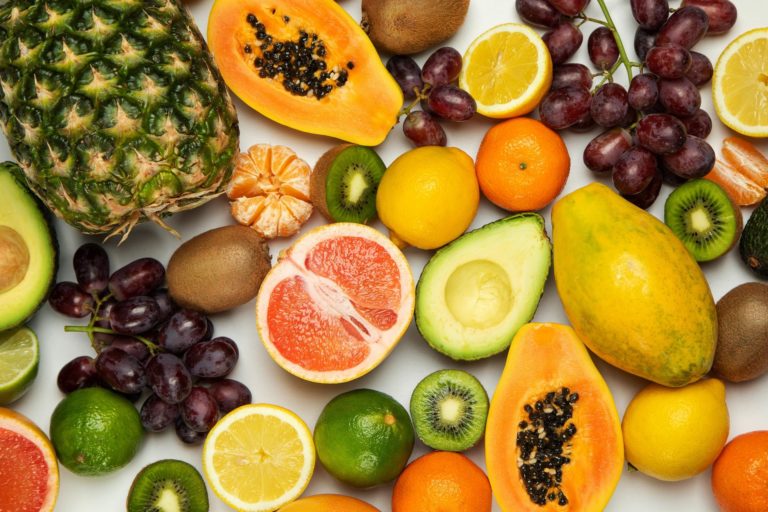
The safest and most effective way to supplement your body with vitamin A is through intake of carotenoids which are vitamin A precursors. As a rule of thumb brightly colored vegetables are rich in carotenoids. These include: dandelion greens, mustard greens, carrots, broccoli, sweet potato, kale, spinach, pumpkin, collard greens, cantaloupe, apricot, papaya, mango, pea, chard, wolfberries (goji berries), parsley, thyme, cilantro, watercress, beet greens. All these products are rich in alpha/beta/gamma-carotene and beta-cryptoxanthin, which are efficiently converted into vitamin A by the body.

Lutein and Zeaxanthin

Lutein and zeaxanthin are also carotenoids. They help protect the eyes from the sun’s harmful rays. Studies show that foods containing these pigments help in lowering the incidence of age-related macular degeneration (AMD) and development of cataracts. In the human eye lutein is concentrated in the macula, the part of the eye responsible for color and fine detail vision.

Foods containing lutein and zeaxanthin are: eggs, spinach, wolfberry (goji berry), turnip greens, collard greens, romaine lettuce, broccoli, zucchini, Brussels sprouts, squash, carrots and tomatoes.

Omega-3 Fatty Acids

It’s a well known fact that Omega-3 Fatty Acids promote good cardiovascular health. But did you also know that people consuming foods rich in omega-3 fatty acids are less likely to develop age-related macular degeneration? Omega-3 acids are also known to help with dry eye by modulating the function of the meibomian and lacrimal glands responsible for lubricating the eyes.

Foods rich in omega-3 fatty acids are: cold-water fish (salmon, tuna, herring, mackerel, bluefish, sardines, halibut, trout, anchovy, cod, bass, swordfish, etc.) and fish oil (including cod liver oil), walnuts, flax seeds and flax seed oil, avocados and dark leafy vegetables.

Lycopene

Lycopene is yet another must have carotenoid required for healthy eyes and good vision. It is a powerful antioxidant and helps protect the eyes from AMD, the most common cause of blindness in the US.

Where to find lycopene: tomatoes, guava, watermelon, papaya, pink and red grapefruit, persimmons, asparagus, liver (especially chicken liver), chilli peppers and red cabbage; riper fruits generally contain more lycopene.

Selenium

The human body needs selenium in very small amounts, but it needs it nevertheless. Lack of selenium in the diet can result in faster development of cataracts and AMD.

Foods containing selenium include: fish and shellfish, eggs, yeast, nuts, sunflower seeds, oatmeal, whole grains, brown rice. Selenium is destroyed during food refining and processing. To make sure you get your fair share of selenium include minimally processed or refined foodstuffs in your daily ration.

Zinc

The Age-Related Eye Disease Study (AREDS) – sponsored by the Federal government’s National Eye Institute – has found that taking high levels of antioxidants and zinc can reduce the risk of developing advanced age-related macular degeneration (AMD) by about 25 percent.This major clinical trial closely followed about 3,600 participants with varying stages of AMD. The results showed that the AREDS formulation, while not a cure for AMD, may play a key role in helping people at high risk for developing advanced AMD keep their remaining vision

Foods containing zinc: shellfish (especially oysters), veal liver, sesame seeds and tahini, pumpkin and squash seeds, dark chocolate, beans, beef, lamb, and peanuts.

Vitamin C

Vitamin C is a powerful antioxidant and free radical scavenger. Vitamin C is thought to slow down development of cataracts and age-related macular degeneration.

Foods that have plenty of vitamin C: bell peppers, kale, mustard greens, Brussels sprouts, strawberries, guava, thyme, parsley, broccoli, cauliflower, kiwi, guava, oranges, tangerines, lemons, peaches, pickled cabbage, rose hips.

Bioflavonoids

Almost any food containing vitamin C also contains pigments called bioflavonoids (or flavonoids). Flavonoids help maintain a healthy cornea, strengthen blood vessels, and stabilize allergic and inflammatory reactions. Foods rich in bioflavonoids: red bell peppers, blueberries, strawberries, black currant, citrus fruits, broccoli, Brussels sprouts, tropical fruits, green tea, spinach, garlic.

Vitamin E

Vitamin E is another great antioxidant. As all antioxidants, it scavenges and reduces the effect of tissue damaging free radicals helping prevent macular degeneration and cataract formation.

Vitamin E can be found in: nuts and nut oils, sunflower and palm oils, avocados, green leafy veggies (e.g. spinach, turnip, beet, collard, dandelion greens, etc.), asparagus, kiwi, broccoli, pumpkin, sweet potato, mango, tomatoes, papaya.

Back

SEE WHAT OURPATIENTS HAVE TO SAY

Posted on Google Google
Jim B profile picture
Jim B
Google star 1Google star 2Google star 3Google star 4Google star 5Trustindex verifies that the original source of the review is Google.
Everyone is always pleasant and kind and attentive. Focused and on schedule.

Owner's reply
Thank you for your wonderful feedback, Jim! We're thrilled to hear you had a great experience from start to finish. Your recommendation means a lot to us! We look forward to serving you again in the future.
Posted on Google Google
Nick Ben-Meir profile picture
Nick Ben-Meir
Google star 1Google star 2Google star 3Google star 4Google star 5Trustindex verifies that the original source of the review is Google.
Efficient service, and Dr Benjamin ahead of the curve, as always

Owner's reply
Thank you for your 5-star review, Nick!
Posted on Google Google
sharon piehl profile picture
sharon piehl
Google star 1Google star 2Google star 3Google star 4Google star 5Trustindex verifies that the original source of the review is Google.
Everyone was very kind and I felt comfortable being there for the first time.

Owner's reply
Dear Sharon, Thank you so much for your kind review. We’re so glad to hear that you felt comfortable and well cared for during your first visit. We truly appreciate you choosing Benjamin Eye Institute and look forward to seeing you again. The Benjamin Eye Institute Team
Posted on Google Google
Luba Lubov profile picture
Luba Lubov
Google star 1Google star 2Google star 3Google star 4Google star 5Trustindex verifies that the original source of the review is Google.
Great experience and I recommend this eye doctor.

Owner's reply
Thank you, Luba, for your very kind words! Looking forward to seeing you soon at Benjamin Eye Institute!
Posted on Google Google
Peter Trivelas profile picture
Peter Trivelas
Google star 1Google star 2Google star 3Google star 4Google star 5Trustindex verifies that the original source of the review is Google.
Profesional, skilled, personal, friendly.

Owner's reply
Thank you so much, Peter! Your kind words mean a great deal to us!
Posted on Google Google
Marjorie Dick Stuart profile picture
Marjorie Dick Stuart
Google star 1Google star 2Google star 3Google star 4Google star 5Trustindex verifies that the original source of the review is Google.
Always the best! Beautiful office, beautiful , helpful staff, amazing customer service, all the best equipment, and the best doctor. They will take good care of you!

Owner's reply
Thank you so much, Marjorie! Your kind words mean a great deal to Dr. Benjamin and our entire team! We truly appreciate your trust!

Related Articles

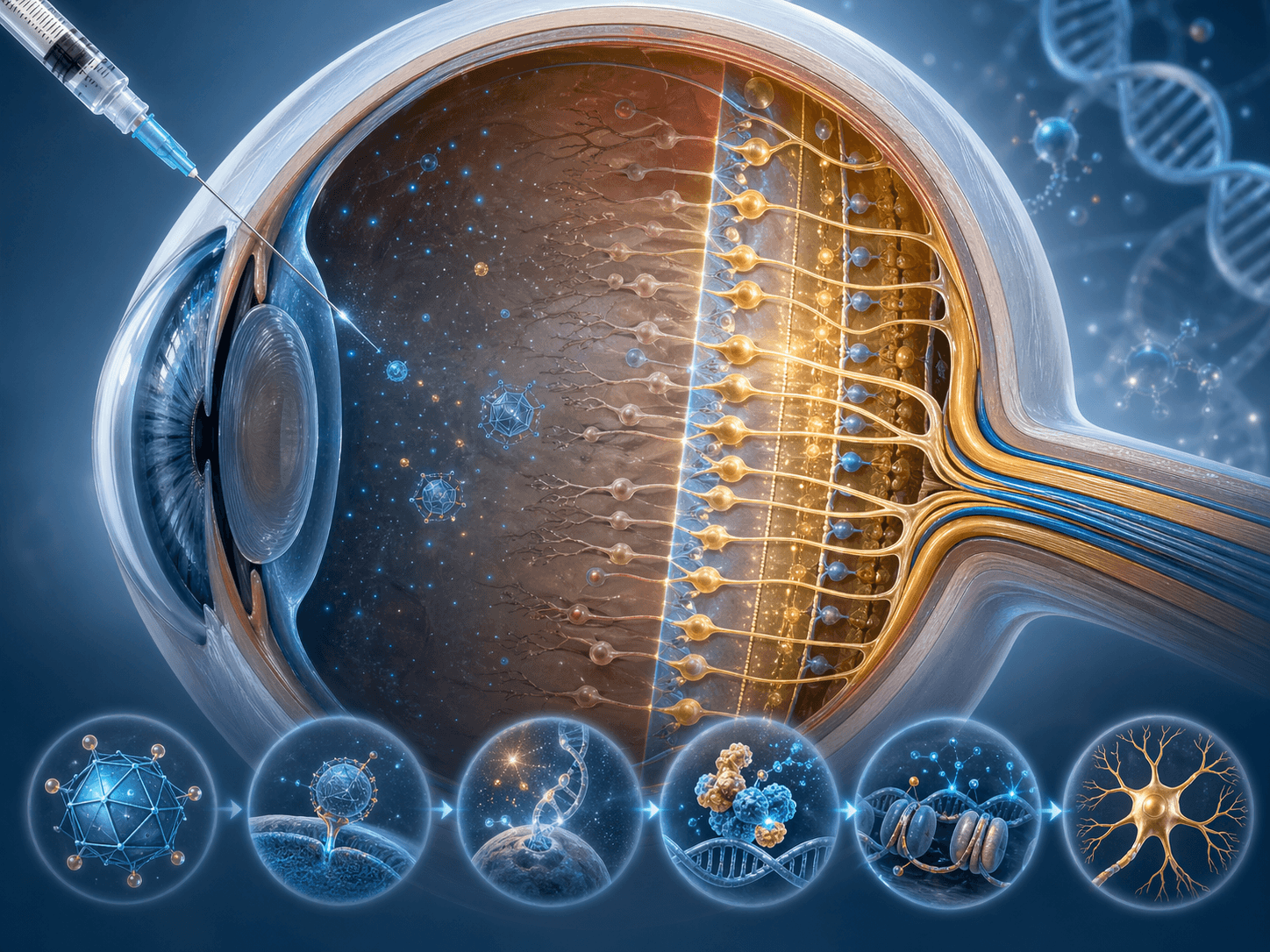
The Gene Therapy That Could Reverse Blindness

The Gene Therapy That Could Reverse Blindness

April 22, 2026

A landmark clinical trial is testing whether we can reprogram aging eye cells back to health — opening a door that medicine has never opened before. By Arthur Benjamin, MD. Founder & Medical Director, Benjamin Eye Institute

more
Premium Cataract Surgery: Non-Diffractive EDOF IOL's at Benjamin Eye Institute

Premium Cataract Surgery: Non-Diffractive EDOF IOL’s at Benjamin Eye Institute

May 14, 2024

We are proud to offer our patients the latest in premium cataract surgery with non-diffractive EDOF IOL’s. Our experienced surgeons will work with you to determine the best lens option for your needs and provide you with the best possible outcome.

more
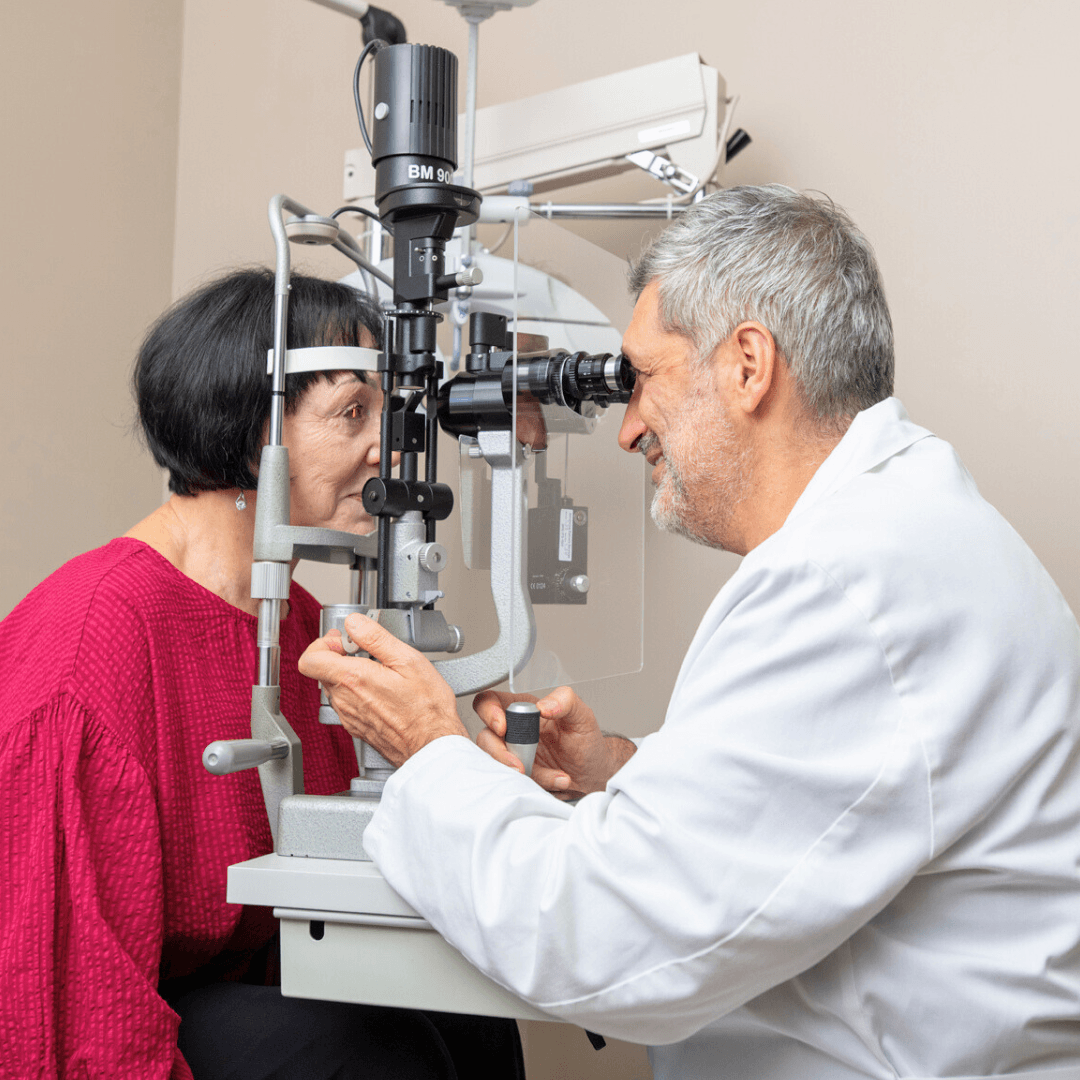
The Comprehensive Eye Exam Experience at Benjamin Eye Institute

The Comprehensive Eye Exam Experience at Benjamin Eye Institute

May 7, 2024

At Benjamin Eye Institute, every new patient receives more than just an eye exam; they embark on a comprehensive journey towards optimal eye health led by Dr. Arthur Benjamin. With decades of experience and a commitment to personalized care, Dr. Benjamin ensures each patient not only understands their eye health but also the paths available for enhancement and treatment.

more
Be a Hero for Your Eyes This Solar Eclipse 2024

Be a Hero for Your Eyes This Solar Eclipse 2024

April 6, 2024

A solar eclipse is an eye-catching event, but it can also be a life-changing event if you fail to practice eye safety while enjoying this celestial phenomenon. Wearing sunglasses is not enough to protect your eyes from damage while looking at the sun directly – you need to instead acquire a pair of eclipse glasses from a reputable seller.

more
SOLAR ECLIPSE: DON'T LOOK AT IT

SOLAR ECLIPSE: DON’T LOOK AT IT

April 6, 2024

Such a rare and "burning" phenomenon is a solar eclipse. To see the light and not go blind you will need special equipment, but a warning – even this doesn't guarantee safety for your eyes. I would prefer to write in big letters "DON'T REPEAT IT AT HOME", but what to do with people who couldn't live without SOLAR ECLIPSE?

more
Patient Perspectives: Celebrating Vision Success at Benjamin Eye Institute

Patient Perspectives: Celebrating Vision Success at Benjamin Eye Institute

January 30, 2024

At Benjamin Eye Institute, patient satisfaction isn't just a goal; it's our story, told through the experiences of those we've served. These testimonials are not just feedback; they are narratives of trust, care, and unparalleled service, highlighting our commitment to vision excellence.

more
Diabetes and the Eye: How Regular Eye Exams Can Help Detect Diabetes Early

Diabetes and the Eye: How Regular Eye Exams Can Help Detect Diabetes Early

December 13, 2023

Diabetes is a chronic condition that affects millions of Americans; according to the Center for Disease Control about 1 in 10 Americans is diabetic. As a systemic condition, diabetes can affect multiple parts of your body, including your eyes. Here are several potential eye complications that you can develop from diabetes both Type 1 and Type 2 diabetes.

more
Co-Management: The Synergy Between Ophthalmologists and Optometrists

Co-Management: The Synergy Between Ophthalmologists and Optometrists

November 7, 2023

The intricate world of eye care often involves a collaborative approach, especially when it comes to the partnership between ophthalmologists and optometrists. Dr. Arthur Benjamin, a board-certified ophthalmologist with a specialization in complex and premium cataract extractions, cataract surgery, and laser vision correction, sheds light on the concept of co-management in eye care.

more

SCHEDULE YOURCONSULTATION TODAY!