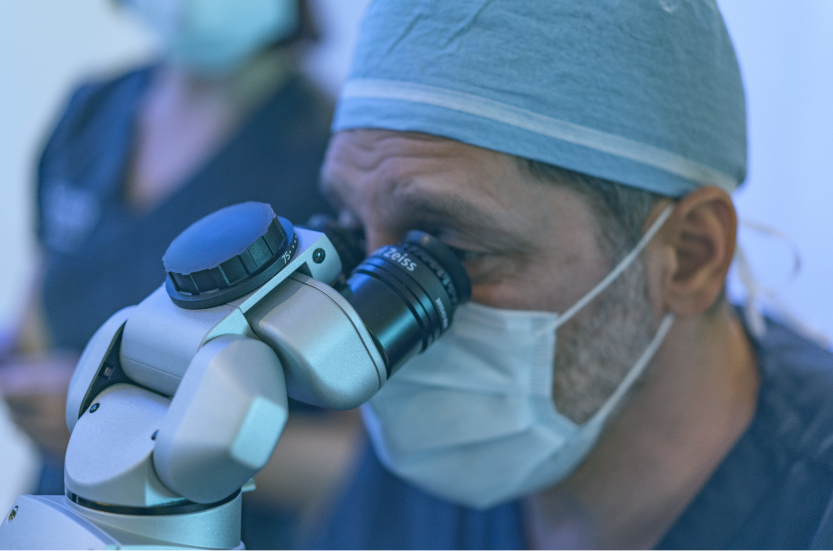
The first thing you should do after receiving the official diagnosis of cataract is to remain calm because they are easily curable. Making the appropriate choices for a location and doctor for treatment is the second and most important step. Here are 8 Important Questions You Should Ask Your Surgeon. By asking any potential surgeon these eight questions, you can feel confident you’re putting your vision in the right hands, and you will soon say goodbye to your cataracts and hello to the clearest vision you have ever experienced.
The Essential Guide to Cataract Surgery
8 Critical Questions to Ask Before Selecting Your Surgeon
So, you just found out
you have cataracts…
You may have suspected it, given how much your vision has changed lately. But hearing the official diagnosis made it real.
So now, in addition to coming face-to-face with the realities of getting older (ugh), you may be feeling nervous about the whole idea of surgery. After all, your eyesight is precious.
Not to worry!
- First although cataracts are all but inevitable, they’re also easily treatable. And in most cases, people walk away from cataract surgery with clearer vision than they’ve ever had. We can’t control everything about aging (as hard as we try!), but we can choose how well we see as we get older.
- Second cataract removal is one of the most common surgeries performed in the U.S.—about three million procedures every year! The surgery is safe and pain-free, recovery is quick, and the results are outstanding.
Of course, having the right
cataract surgeon
makes all the difference
By asking any potential surgeon these eight questions, you can feel confident you’re putting your vision in the right hands.
To save you an extra phone call, we’ve also included our answers. And if you have more questions, please let us know. That’s why we’re here!
1. Why are you recommending cataract treatment?
When it comes to your health—especially something as important as your vision—you should be met with full transparency.
So ask your surgeon exactly why they’re recommending cataract removal—beyond the obvious, “Because you have cataracts.” In most cases, it’s because:
- Your cataracts are affecting your vision quality
- Your provider can’t see to the back of your eye to check for other issues
- You have inflammation as a result of your lens breakdown
- You’re experiencing glaucoma in addition to your cataracts
Knowing the why behind cataract removal is just as important as the how. That’s why at Benjamin Eye Institute, we listen first. We want to know exactly why you’re here and what symptoms are most bothersome, so you can feel certain you’re making the right decisions for you.
2. What other services do you offer?
Most cataract treatment centers are full of cataract specialists. While that might sound like a good thing, there’s a hidden problem: They may only be looking at your cataracts, which means they’re not considering your whole vision picture.
It’s important to find a provider with a comprehensive view of your vision challenges. That way, you can make confident choices for the long term, rather than wasting time and money on treatments that won’t ultimately serve you well.
At Benjamin Eye Institute, we evaluate your concerns from every angle and offer thoughtful solutions that best protect your vision for life. Our services include cataract care, LASIK, cosmetic treatments, dry eye treatments, glaucoma support, retina services, and general eye health.
3. How does your practice remove cataracts?
Ocular surgeons use one of three methods to remove cataracts:
- With a blade. It’s impossible to overemphasize this: If your potential surgeon offers blade extractions, they’re taking unnecessary risks. This “technology” is outdated, painful, and requires significant recovery time.
- With ultrasonic waves. Many providers use phacoemulsification, a type of ultrasound, to break up the cataract for removal. The problem is the waves don’t just travel to the affected lens. They continue throughout the rest of the eye and can create collateral damage.
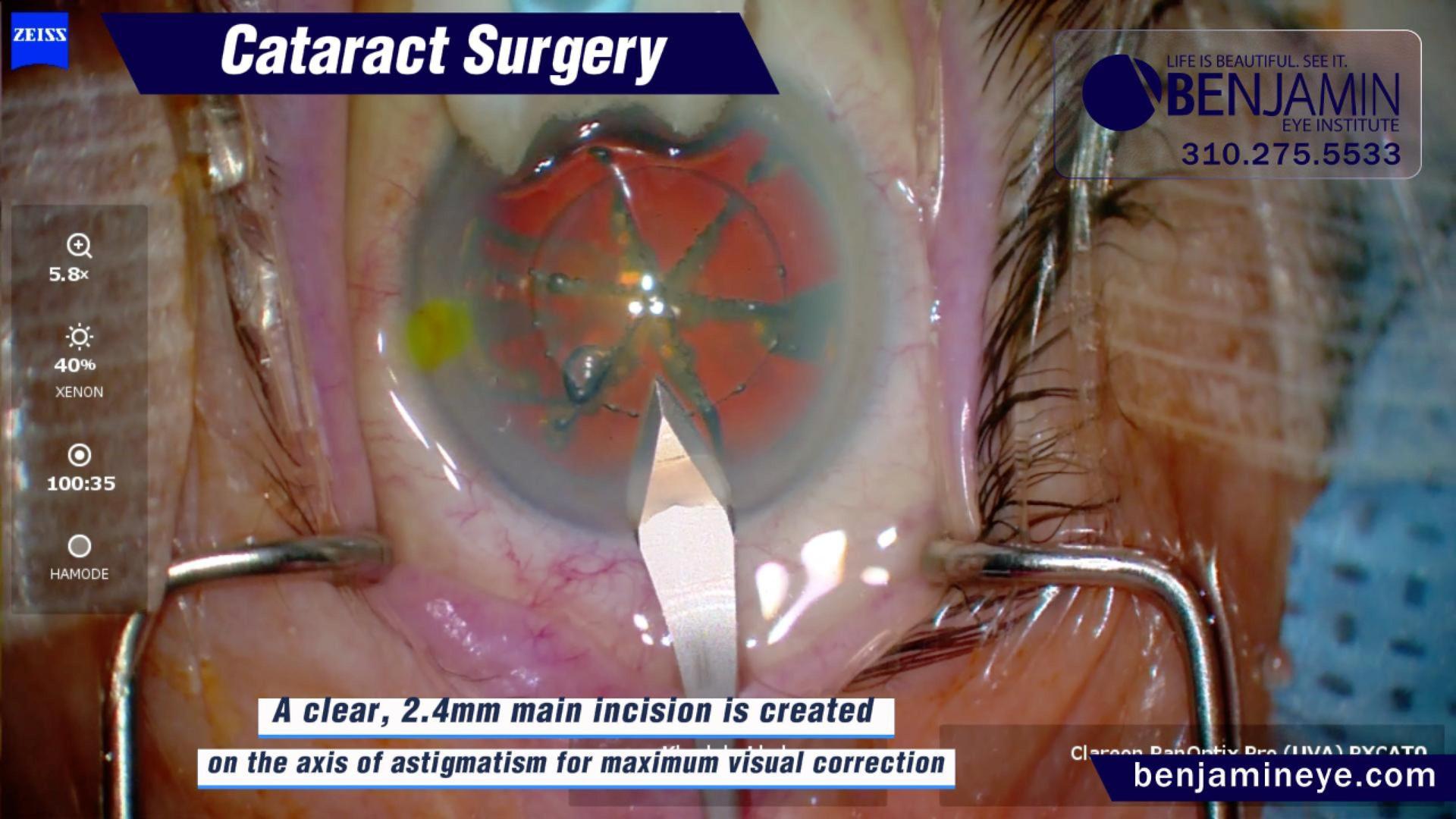
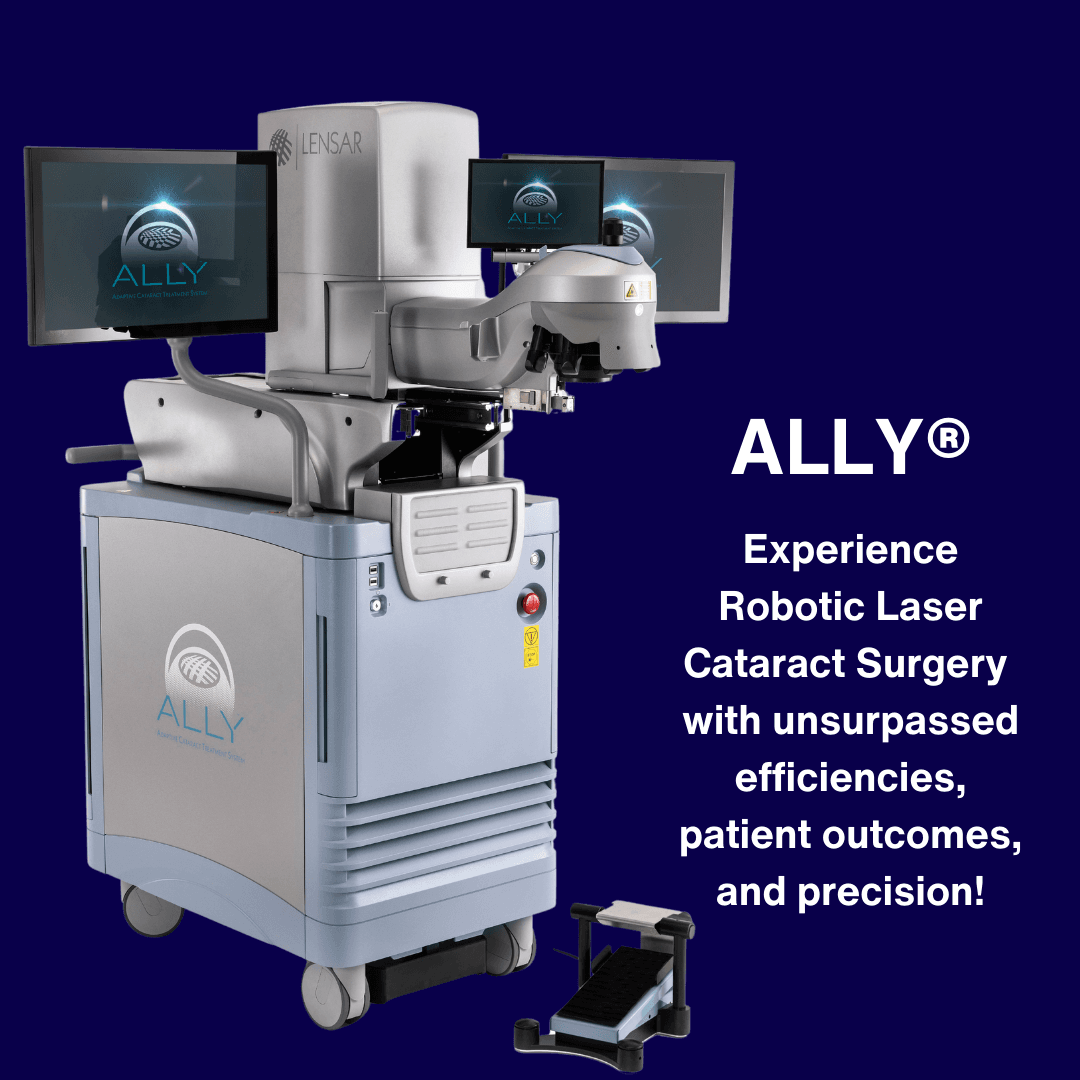
- With a laser. Laser cataract removal is precise, computer-guided (so the outcome doesn’t rest on how steady the surgeon’s hand is), and painless. The results are immediate, and you can return to light activity right away.
We use only industry-leading laser technology. It’s exceptionally precise, allowing exact measurements, targeted treatment, and optimal positioning for your replacement lens. You’ll enjoy consistent, predictable, fast, and comfortable results.
4. What are my lens options?
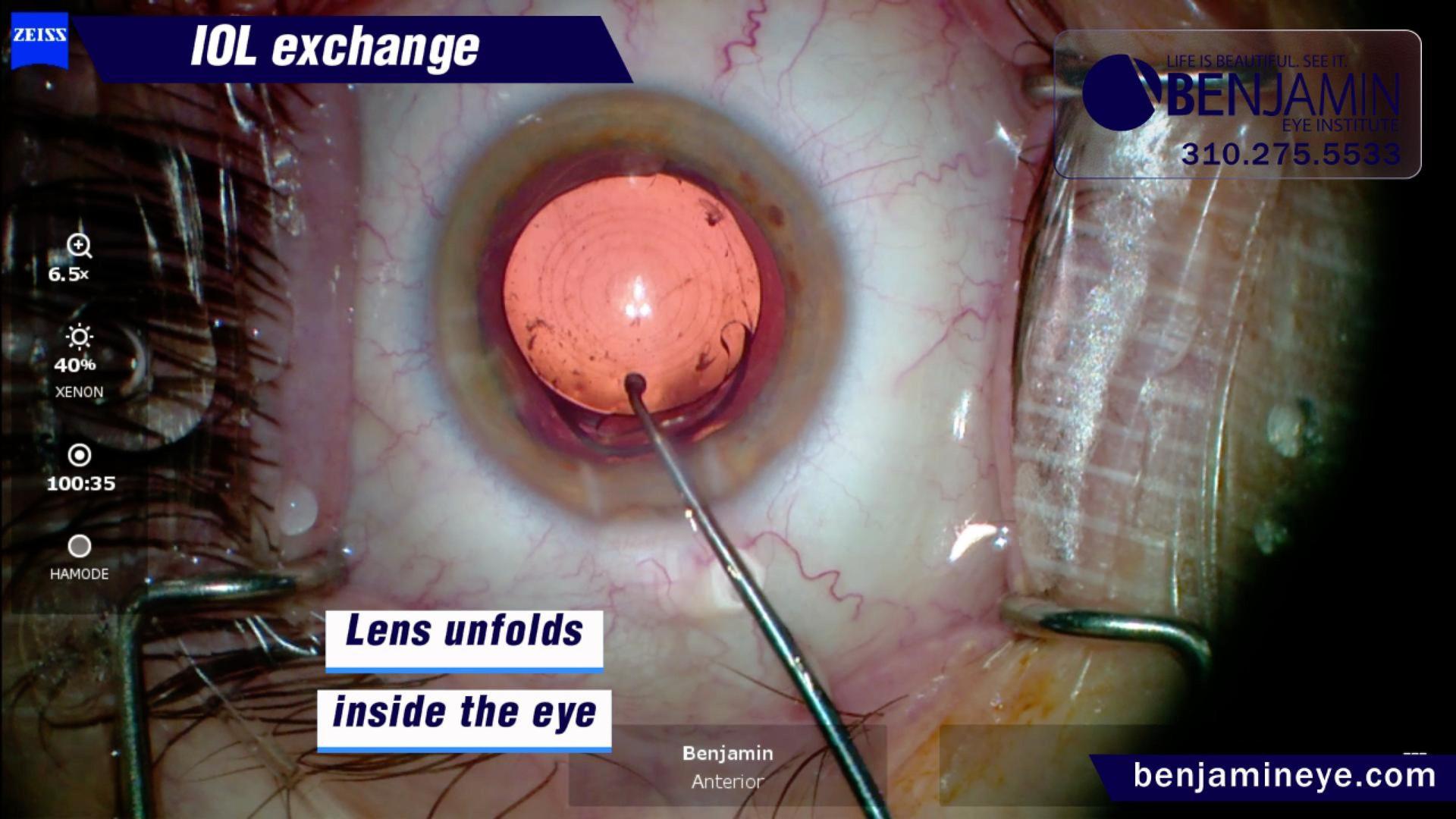
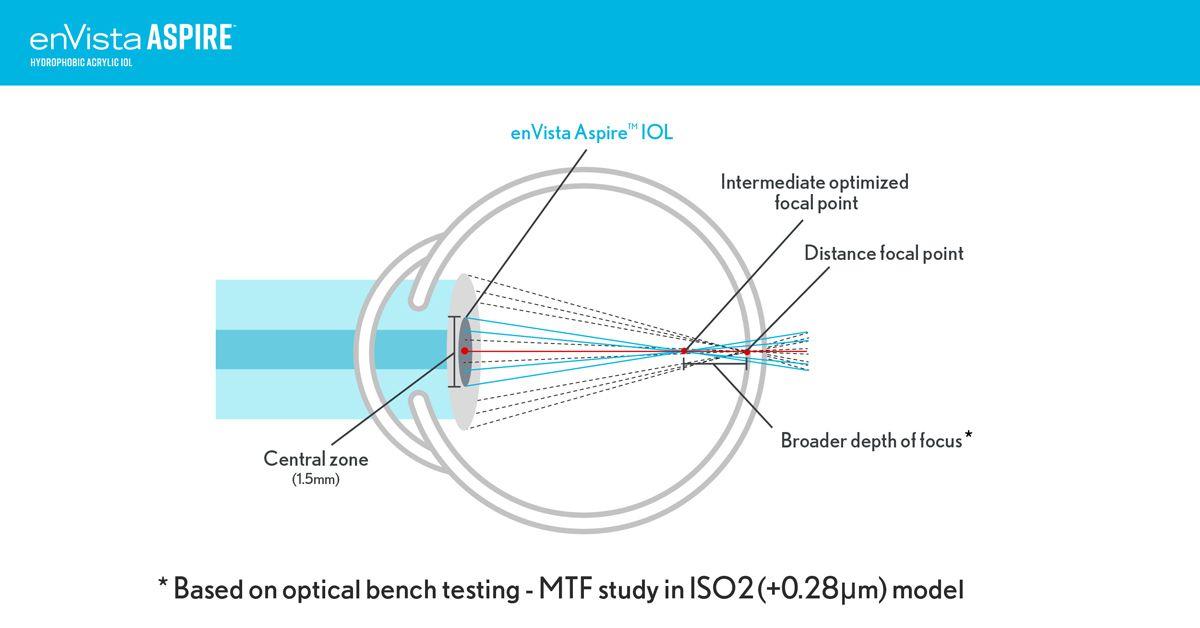
Intraocular lenses (IOLs) replace the affected lens after extraction. Choosing the right lens for your day-to-day life can mean the difference between better and best results
- Everyone needs to see at three distances: near (for reading and writing), mid (for things like working at the computer and cooking), and far (for driving and watching TV, for example).
- A monofocal lens implant offers clear vision at only one of those three distances. If you choose an IOL designed for distance, you’ll be able to drive without glasses or contacts—but you’ll still need corrective lenses for near- and mid-vision activities.
- Multifocal lenses offer clear vision at both near and far distances, but mid-vision remains blurry.
- Extended depth-of-focus lenses provide a continuous, full range of vision. They also correct astigmatism.
When it comes to IOLs, there’s truly no one “right” answer for everyone. We’ll help you weigh your options and guide you to a decision that fits your lifestyle, visual demands, hobbies, and overall health.
5. What will my vision be like afterward?
Your ocular surgeon should be able to restore and improve the quality of your vision. In fact, after your procedure, your vision should be better than it was long before you got cataracts. That’s because the replacement lens can be shaped to meet your unique vision needs
Here’s a related—and even more important—question to ask: What if I’m not happy with the results?
In very few cases, cataract removal causes a slight change in eyesight. When this happens many ophthalmologists will offer a LASIK procedure. But they’ll charge you an additional—and significant—fee.
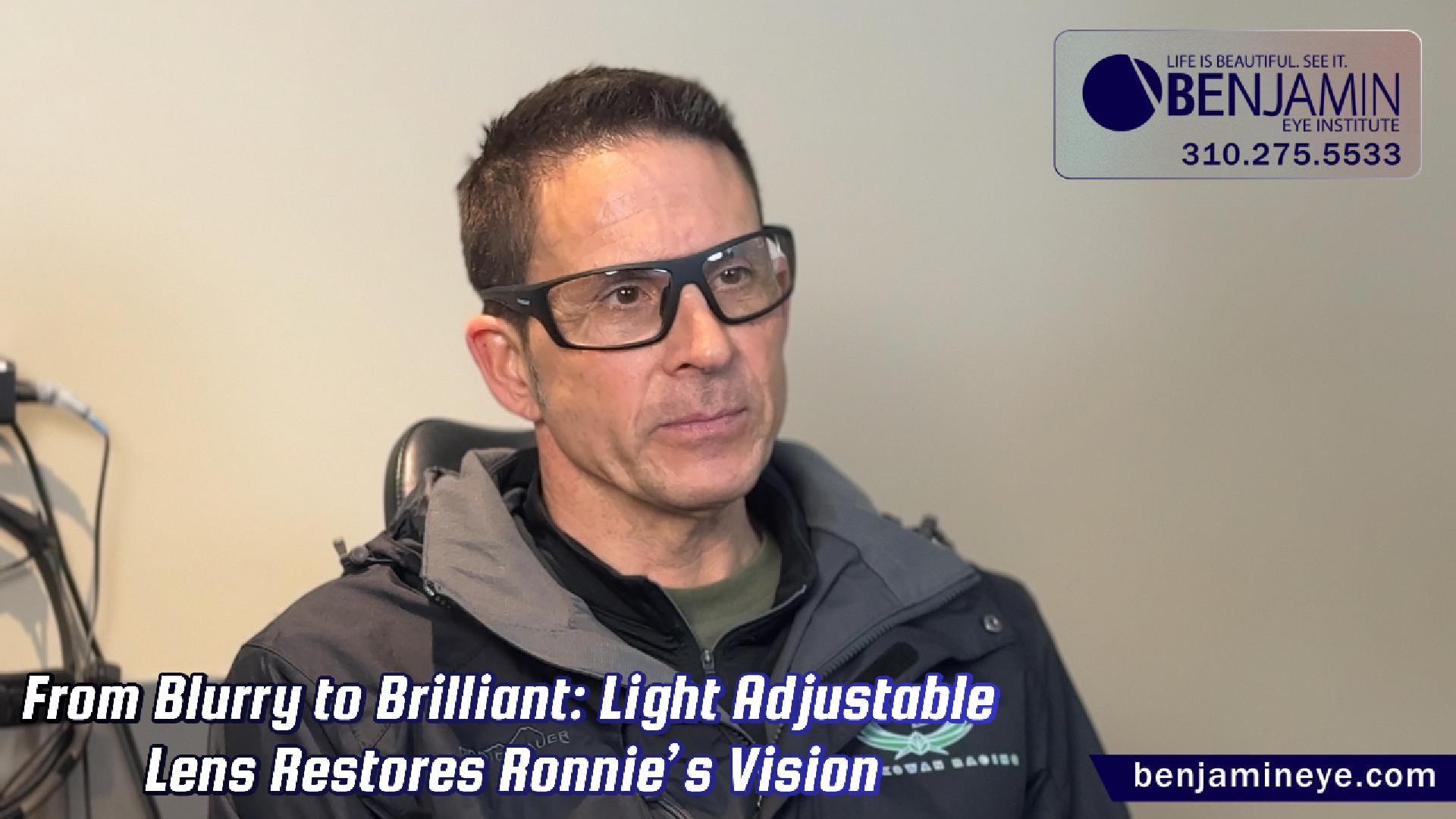
We leverage specialized technology that adjusts your lens in real-time during surgery, shaping and positioning it perfectly. And your results are guaranteed. If your vision needs to be tweaked following your procedure, Dr. Benjamin will perfect it with LASIK and/or treat astigmatism free of charge.
6. Where do you operate?
Most cataract procedures occur in hospitals or outpatient surgery centers. That means your ophthalmologist is walking into someone else’s environment and using someone else’s technology and equipment. Not only are those added costs passed on to you, but also there’s no guarantee the equipment is well-maintained.
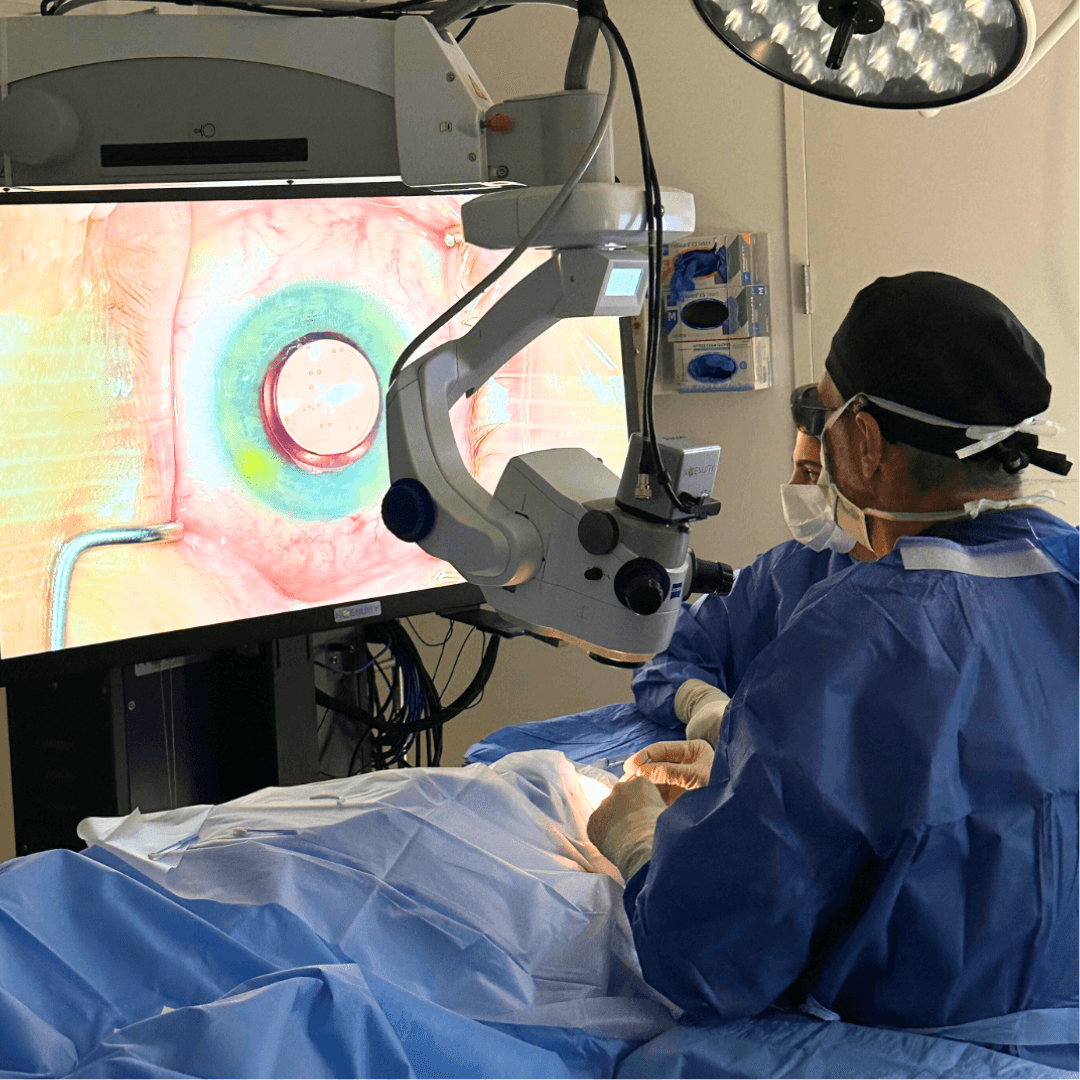
Benjamin Eye Institute operates our own in-house surgical suite. This allows us to control everything. We own our equipment, and we have it fine-tuned to our uncompromising specifications. Advanced climate control and state-of-the-art filtration systems protect the precision of our lasers and the cleanliness of our space.
7. What if there are complications?
Complications during cataract surgery are quite rare and most often result from a crooked lens implant. But regardless of how infrequently complications occur, your surgeon should be prepared for them. When it comes to your eyesight, there’s no room for do-overs.
Dr. Benjamin is one of only a handful of ophthalmologists in California who’s capable of navigating cataract surgery complications.
In fact, other surgeons send their own patients to him to repair ineffective surgeries. But again: Not to worry. Most complications can be avoided simply by following the detailed post-op instructions we provide.
8. How much will it cost?
Your vision is priceless, so cost should be the last thing you consider. Still, we recognize the price of cataract surgery can feel daunting. The great news is cataract procedures are considered medically necessary, which means insurance typically covers a large portion of the expense.
Regardless, be sure to ask your surgeon for a written breakdown of all charges—not just their own (which is what some providers will do), but also the facility’s charges, the cost of the lenses themselves, and so on.
Take back your vision.
Don’t let life pass you by in blur! One safe surgery can open your eyes to the crisp, colorful world you've been missing. Ready to take your next step?
- Schedule your free consultation. Call or text 310.275.5533, or take advantage of Breeze, our convenient, online scheduling tool.
-
Get personalized care. We’ll answer all your questions, offer recommendations based on your one-of-a-kind situation, and support you through the entire process.
- See the world through clear eyes. With cataracts out of your way, you're free to enjoy life in all its vibrant beauty!
Say goodbye to your cataracts and hello to the best vision you’ve ever had.