For the eye to focus optimally, two critical structures come into play: the cornea — the clear front surface of your eye, and the lens — nestled right behind your iris and pupil. A perfectly round cornea ensures sharp vision. Yet, in astigmatism, the cornea deviates from its ideal symmetrical round shape, leading to vision distortion.
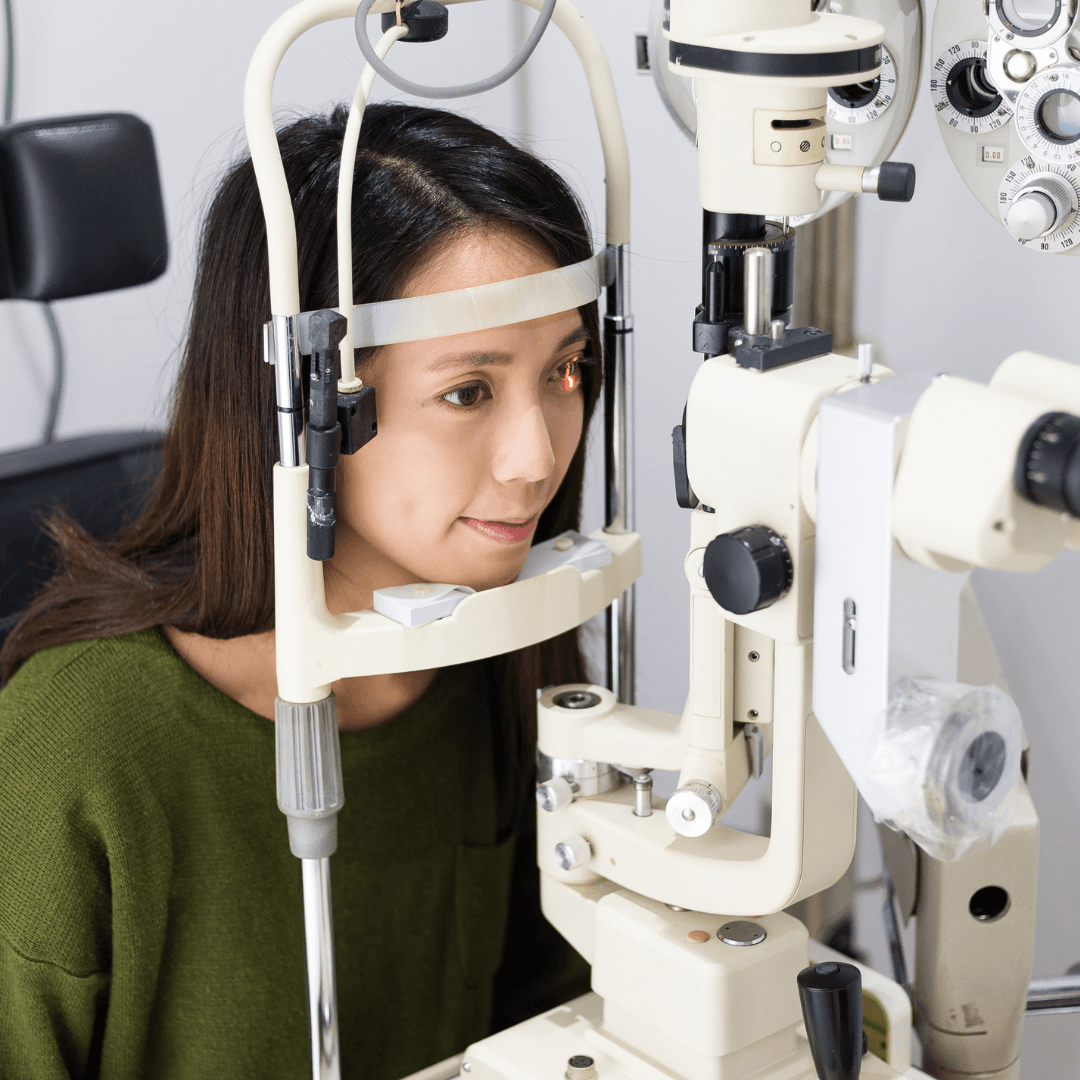
Astigmatism, in its simplest form, is an imperfection in the curvature of the cornea or lens, causing blurred or distorted vision. But not all astigmatisms are created equal. Among the various types, mixed astigmatism stands out as particularly challenging to correct.
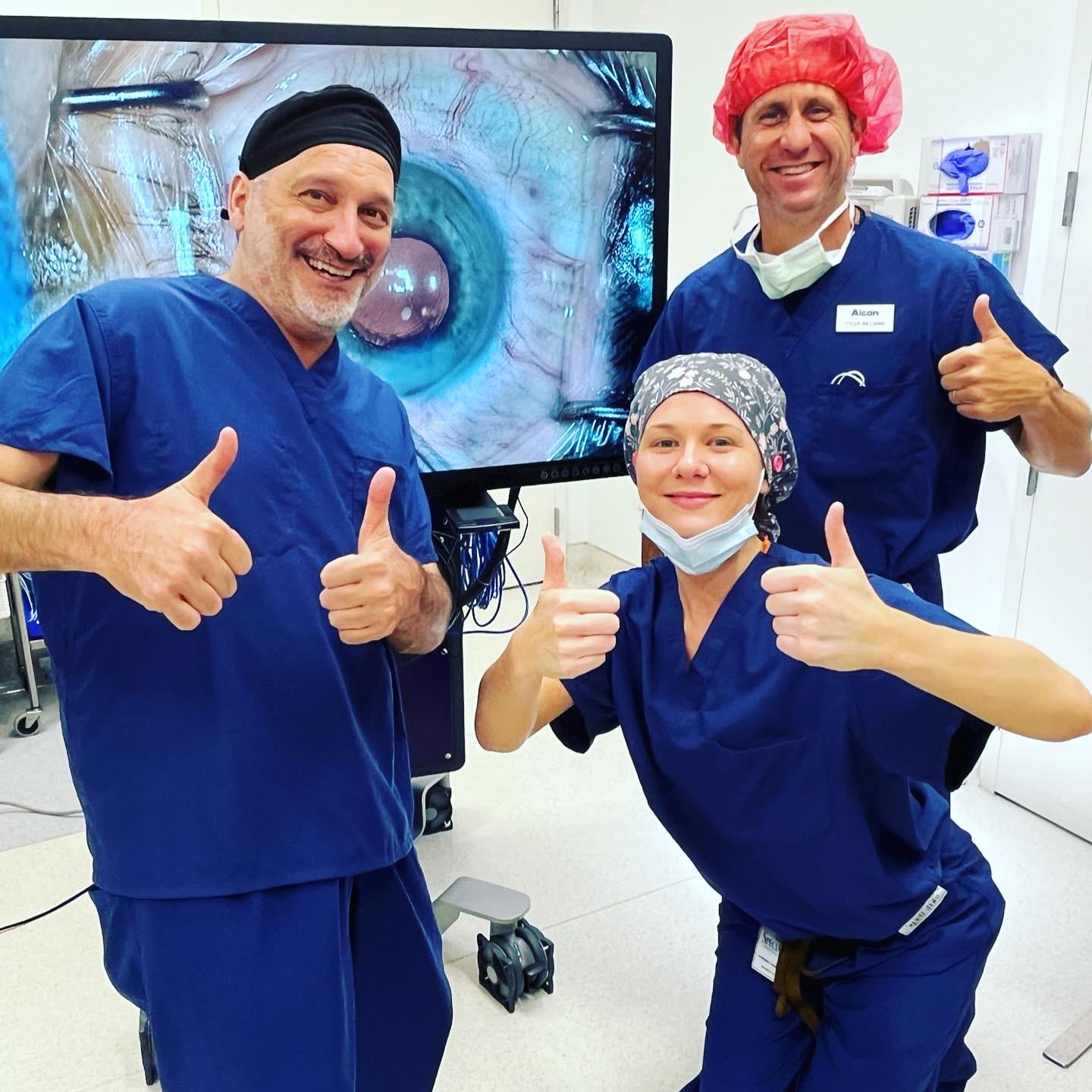
The treatment of cataracts has come a long way since the use of ultrasound technology, and it has now taken a revolutionary step forward with the advent of laser surgery. The femtosecond laser offers a more precise, quiet, and vibration-free approach, targeting an affected area as small as 5 microns without impacting the surrounding eye tissue.
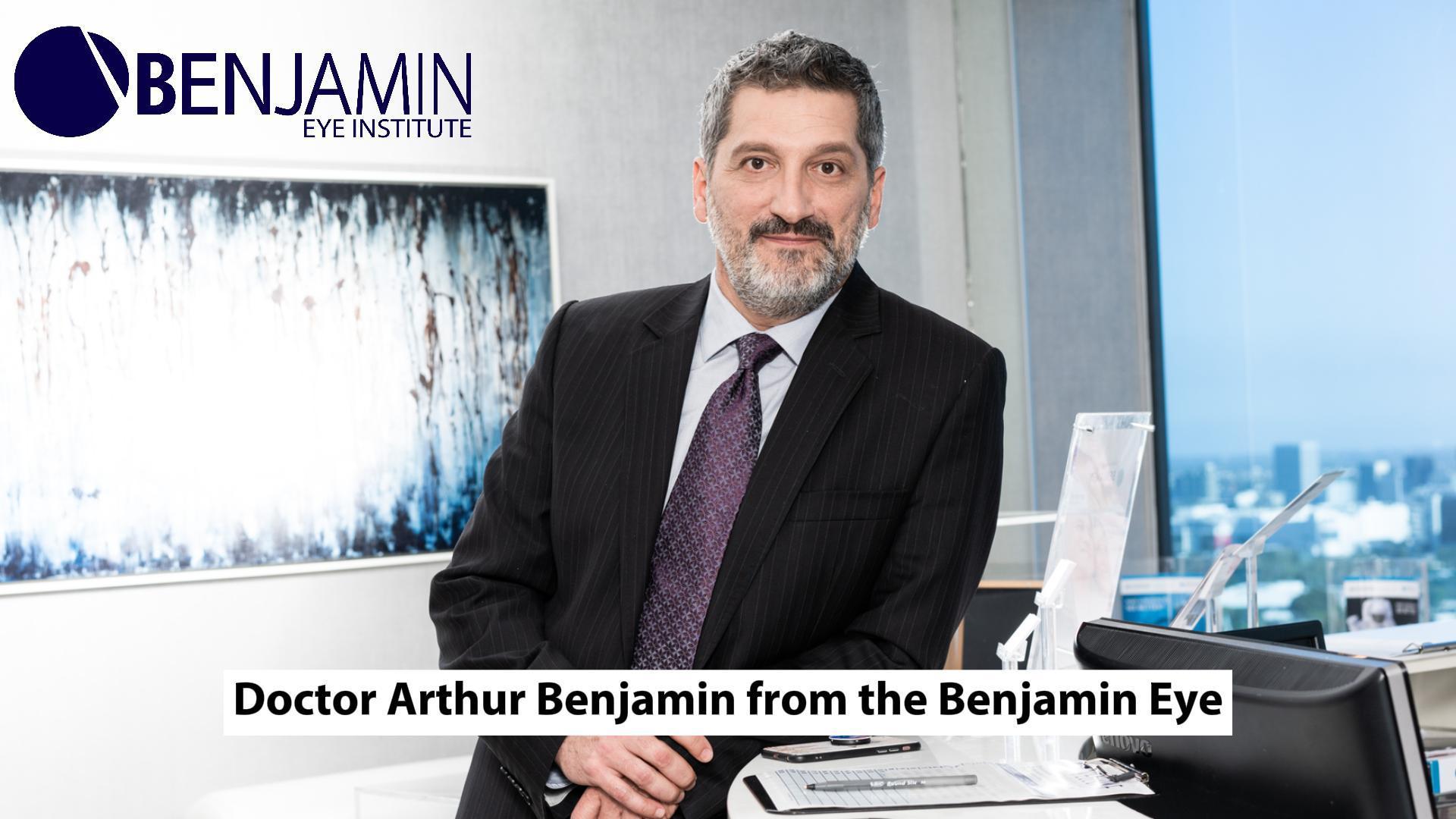
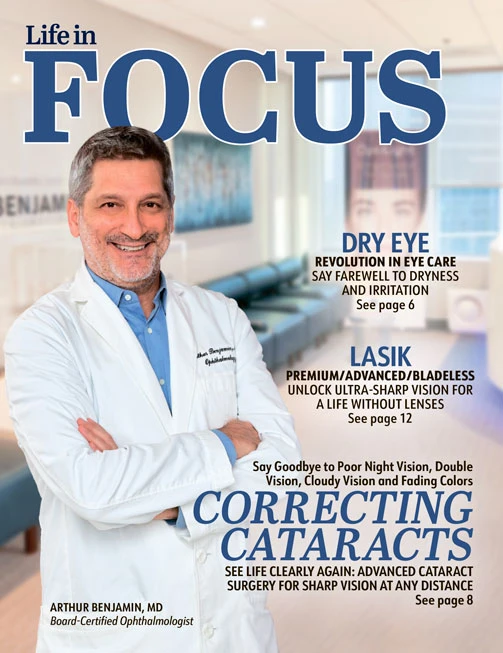
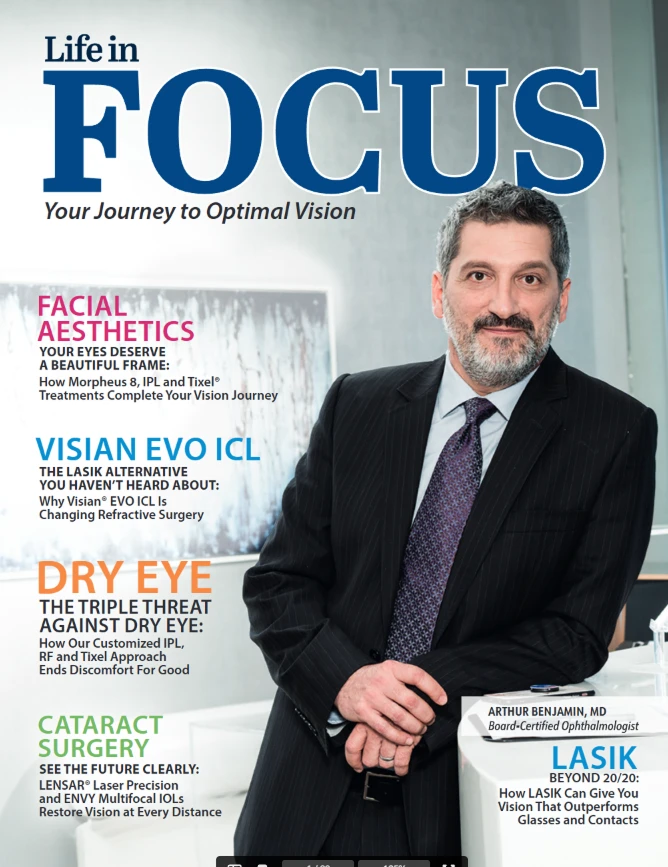
Dr. Arthur Benjamin joined Doug Stefan on the Good Day Show to demystify the realms of eye care. From clarifying professional titles to breaking down the technicalities of popular eye surgeries, Dr. Benjamin provided a comprehensive overview, ensuring listeners left with a clearer understanding of their eye care options.
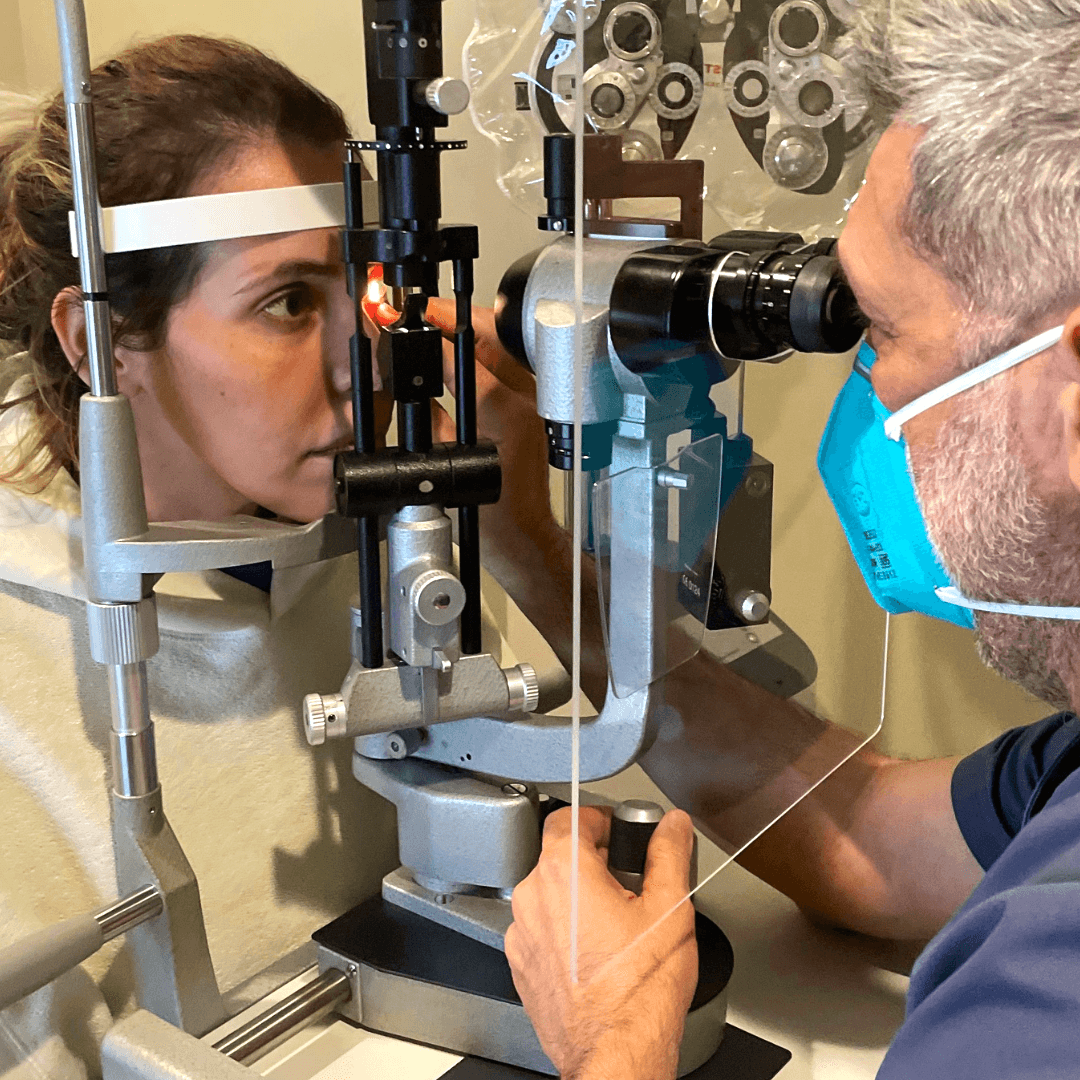
At Benjamin Eye Institute, we want to make sure that our clients are well-informed about their eye care needs, which is why we’re here to shed some light on the difference between ophthalmologists and optometrists.
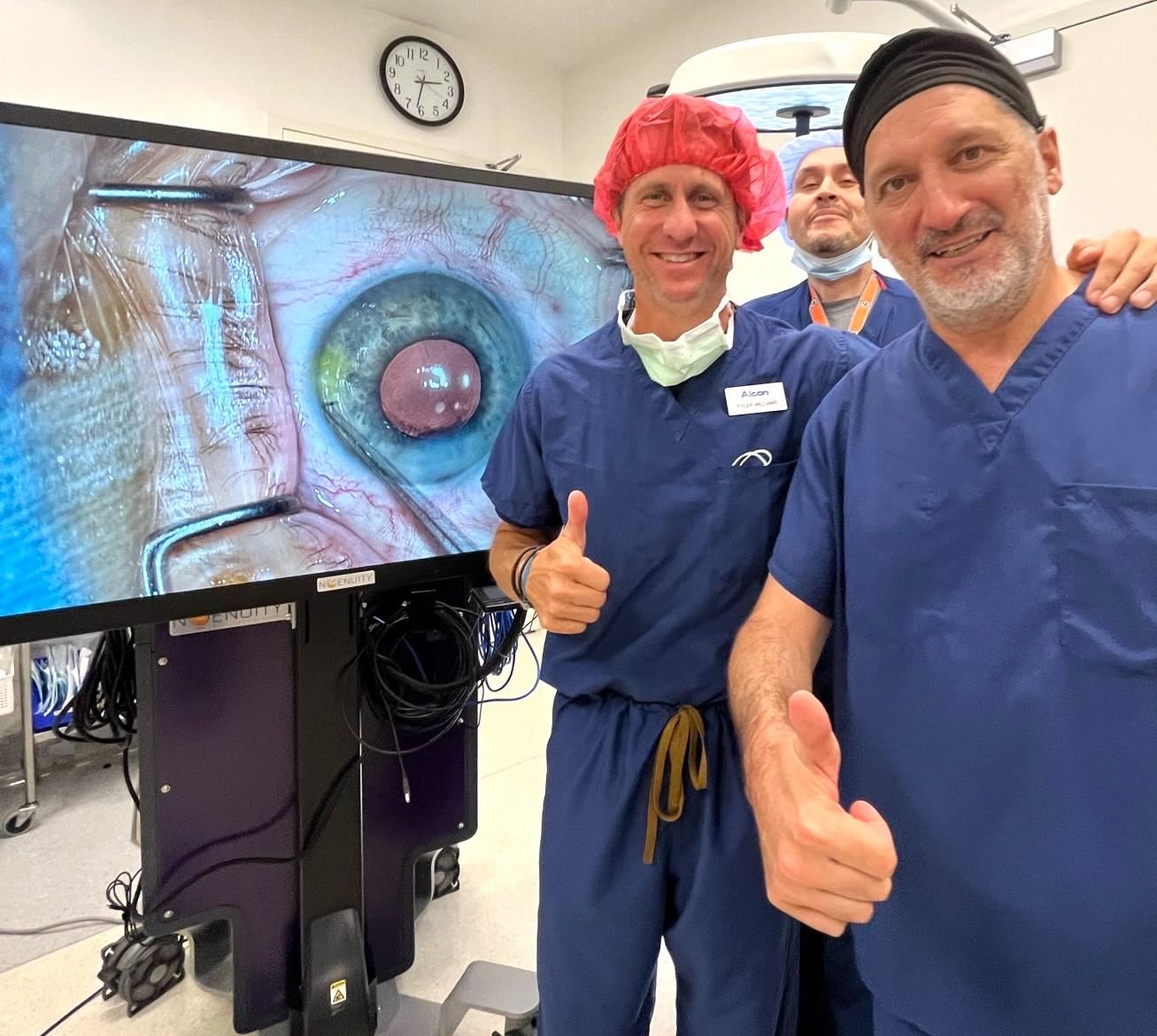
At Benjamin Eye Institute, we pride ourselves in staying at the forefront of innovative eye care solutions, consistently delivering high-quality services to our patients. One such advanced solution we offer is the Minimally Invasive Glaucoma Surgery (MIGS), an effective treatment method that has significantly transformed the management of glaucoma.
Are you considering LASIK to bid farewell to glasses and contacts and embrace the world with clear vision? At Benjamin Eye Institute, we understand that the LASIK journey is a significant decision, and we're here to provide you with a succinct and comprehensive timeline of what you can expect during the LASIK procedure at our renowned institute.

We are delighted to present our New and latest Cartier collection, embodying the essence of luxury, sophistication, and unparalleled craftsmanship. Indulge in the world of Cartier Eyewear and elevate your style with its iconic designs and exquisite details.

Unlike other eye conditions (such as myopia or astigmatism), presbyopia is specifically related to aging of the eye and the loss of flexibility of the eye's lens. As the eye ages, the lens becomes hard and rigid. Additionally, the associated muscles of the eye have aged and lost flexibility, rendering the lens unable to flex and focus. The result is an eye unable to focus on things that are close.
This aging of the eye is most noted around the age of 40. You may notice that you have to hold things further away in order to read fine print. Unfortunately, presbyopia is unavoidable, as it simply is the result of the eye aging.
Almost everyone will develop presbyopia, so if a person also has another eye condition such as myopia (nearsightedness), hyperopia (farsightedness) or astigmatism, the conditions will combine. Individuals that are nearsighted (myopia) may have fewer problems with presbyopia than those that are farsighted or those with astigmatism.

At Benjamin Eye Institute, we firmly believe that life is beautiful, and we strive to ensure that everyone can experience its beauty to the fullest. Our team of dedicated experts is fueled by an unwavering passion for assisting our patients in achieving optimal vision and gaining a fresh perspective on the world around them.