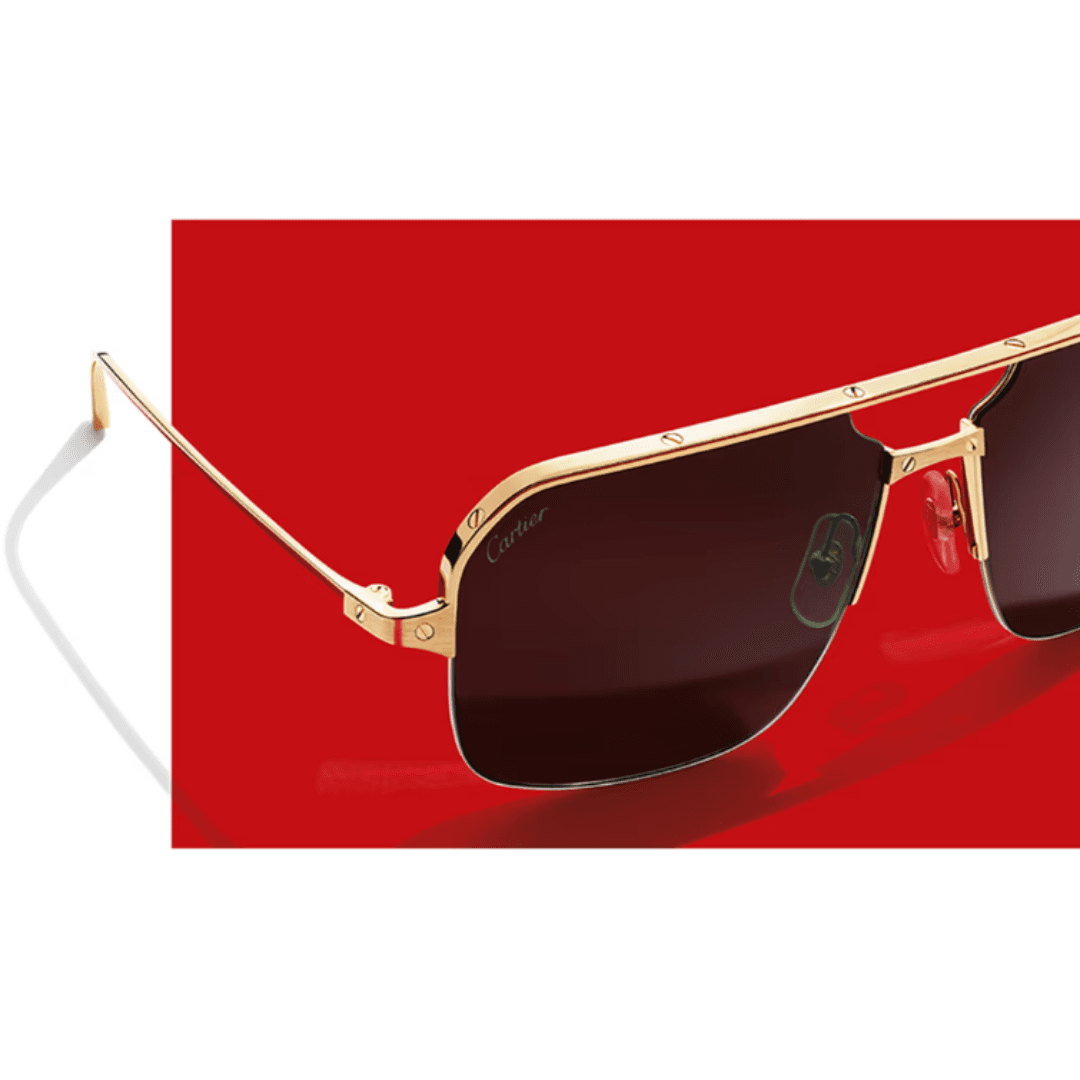
Get a new Cartier or Dunhill frame with prescription lenses and receive a complimentary Crizal Sapphire coating valued at $225! Valid until June 30.

With a deep understanding of the impact dry eyes can have on your vision and quality of life, our experienced medical team utilizes state-of-the-art technology to accurately diagnose and recommend tailored treatment options. Explore our exclusive treatment packages, designed to provide comprehensive relief and restore clarity and comfort to your eyes.

If you search for 'eye care near me' or 'eye exam near me' in your favorite search engine or on a map, you'll likely find several optometrists listed. But what is the role of an optometrist in eye and vision care? An optometrist is a primary eye care professional who can diagnose and manage eye and vision problems. Here is what you need to know about your neighborhood optometrist.

Synonymous with British craftsmanship and design, Dunhill is the foremost British men's luxury house, leveraging a unique 130-year heritage and rich archive. The exclusive Dunhill Eyewear collection is now available at Benjamin Eye Institute Optical Boutique.

Scientists at the University at Buffalo investigated the main gene associated with aging. If they can figure out how it works, then we’ll have innovative ways to treat many diseases, including cataracts. So we are patiently waiting for a powerful breakthrough in the couple next decades!
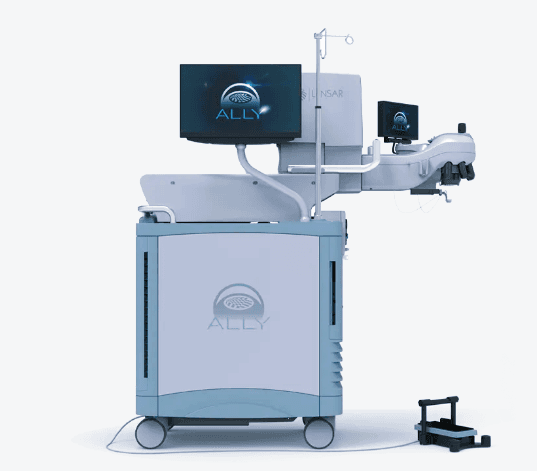
We're thrilled to announce that our practice is now offering same-day bilateral cataract surgery for well-qualified patients! This groundbreaking development has become possible due to remarkable advancements in cataract treatment technologies and their seamless integration. As a result, patients can now enjoy safer, faster, and more precise cataract surgeries with predictable outcomes. Let's dive into the details of this exciting new offering and how it is transforming the eye care industry.

The Tecnis Multifocal Lens is a revolutionary technology that gives millions of people the opportunity to regain the vision they had when they were younger. For healthy, active adults, the limitations of poor vision from cataracts and presbyopia have had a negative effect on their lifestyle and daily activities. After a Tecnis Multifocal Lens implant, they can now enjoy high-quality vision for all distances—near, far, and everything in between—in all lighting conditions without wearing bifocals or reading glasses in most situations.
In 2016, the FDA approved the Tecnis Symfony intraocular lenses as the first and only extended depth of focus solution for people with cataracts.
As we age, the vitreous slowly shrinks, and as it does so, its fine fibers pull on the retinal surface to pull away from it. Usually the fibers break, allowing the vitreous to separate – an event called a posterior vitreous detachment (PVD). This is a common process that usually doesn't threaten vision. However, in about one in six people, a PVD causes the retina to tear. Subsequently, fluid from inside the eye can seep through the retinal tear and detach the retina from the tissues that nourish it. Retinal detachment can lead to permanent vision loss.
Retinal tears and detachments are painless. Key warning signs include:
New onset of floaters and flashesGradual shading of vision like a curtain being drawnSignificant and rapid decline in sharp, central vision
If you experience any of these warning signs, call us for a thorough retinal evaluation as soon as possible.
While early detection is the key, finding a retinal break may be difficult and requires a very thorough examination. Your ophthalmologist will dilate your pupil specifically for this exam and, using a light source and a hand-held lens, will examine the eye as slight pressure is put on the eyeball with a stick-like instrument called a scleral depressor. This exam will bring any retinal breaks into view and show their exact size and location.
If a retinal tear is detected early, treatment can prevent the retina from detaching. Retinal tears can best be treated with laser photocoagulation treatment in the office to fuse the retina to the back wall of the eye and prevent retinal detachment and vision loss. However, if a retinal tear is not treated with laser, a retinal detachment is likely and further surgical intervention will be necessary.
What to expect at your Retinal evaluation:A retinal examination takes longer than most general eye examinations. You can expect to be in our office for approximately two hours. Dilating eye drops will be administered to open your pupil. This allows us to see back to your retina. Since it takes up to 30 minutes for the dilating drops to take full effect, it will be necessary for you to wait after dilation before you see the doctor. Examining the retina requires very bright lights but this will not harm the eye. When the examination is over, the doctor will discuss her findings with you. Your eyes will remain dilated for several hours so please plan accordingly. Many patients who come in for a retinal examination will need a test called a fluorescein angiogram. During this test, a dye is injected into a vein in your arm. Rapid sequence photographs of the retina are then captured. The dye shows the blood vessels in the retina in clear detail and allows identification of abnormal or damaged blood vessels so your treatment can be tailored according to your findings.
At BEI, we use state-of-the-art diagnostic tools, lasers, and equipment to further enhance diagnosis and treatment, and use the latest advances and methods to provide each patient with an individualized treatment plan.