Whose financial obligation it would be to pay for the special medication that could cure the rarest diseases? While we are discussing this topic, hope that professors of ethics, philosophers, and economists would consider this issue.

Even after eight eye surgeries, life began to lose color to Luis Borges. Oh, if a time machine existed and make fantasies come true, it could transport the Maestro to the Benjamin Eye Istititute
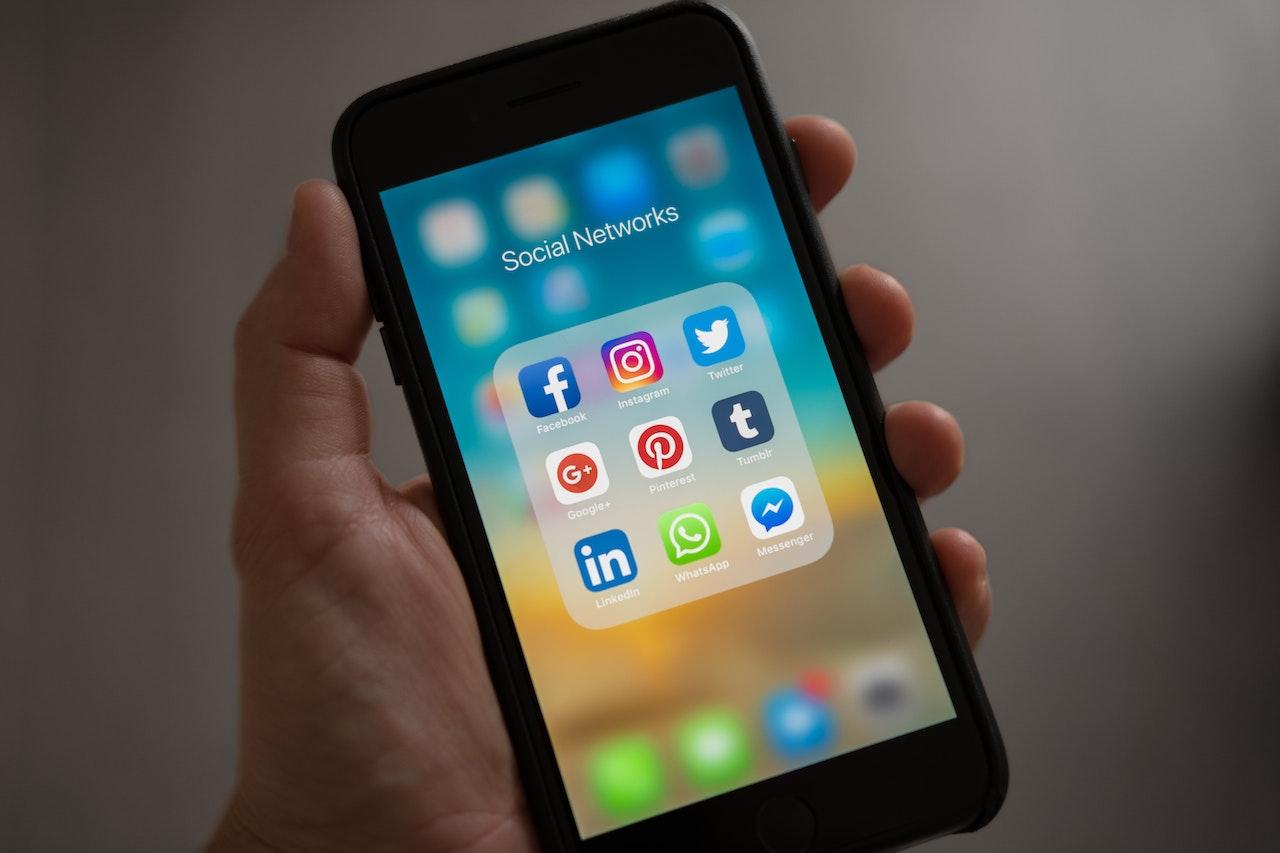
Admitting how much social networks have altered and are still being incorporated into our everyday runs and meals is difficult. We chose the term "mental cataract" to describe it. Don't think this is about you?

Scientists have been trying to figure out why certain illnesses, like memory loss, slower reaction times, sleeplessness, and even depression, get worse as we age. Such suspects as high cholesterol, obesity, heart disease, and an inactive lifestyle have all been explored. The aging of the eye is now supported by an intriguing body of evidence as a largely ignored cause.

Arthur Benjamin recently returned from the annual conference of the American Academy of Ophthalmology in Chicago, inspired by a REVOLUTION in ophthalmology. To appreciate the path and steps of evolution is necessary to go back to history. From the “age of hard contact lens” to these advanced lenses.

The medical discovery that is something not even dreamed of in science fiction is microchip called FlatScope (“flat microscope”) that will affect certain areas of the brain, enable the blind to see; grow heart muscle on spinach leaves; crabs take antidepressants.

New BEI has released birthday cards. These cards, which include a unique illustration by Natalie Ratkovski, the creator of our logo and design identity, are made to add to our patients' festive atmosphere on their special day.

To avoid conditions like photokeratitis and photoconjunctivitis, also referred to as "snow blindness," it is crucial to take good care of your eyes. In this post we'll discuss whether a color is so important and what information should be prioritized.
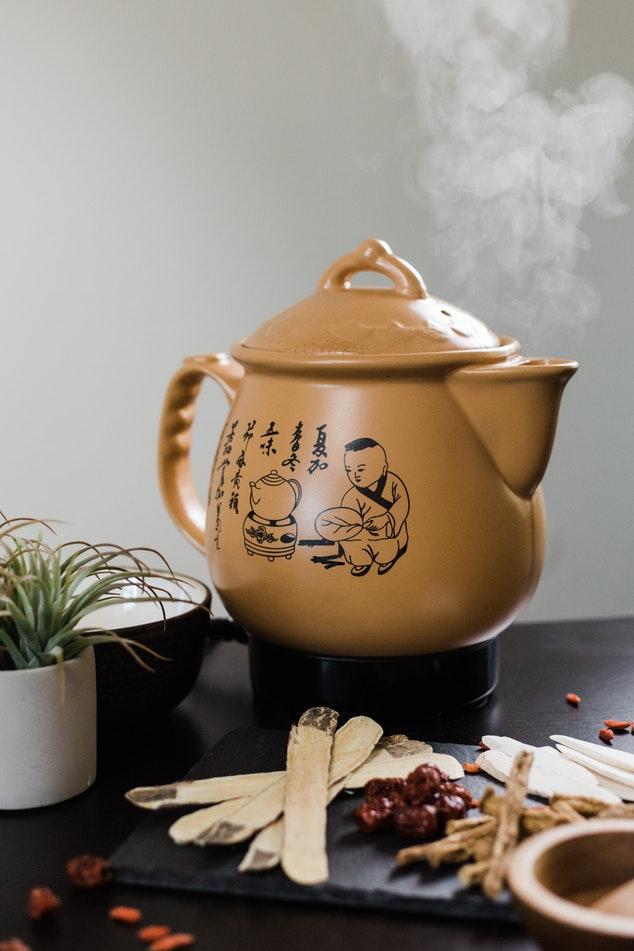
10 years ago there was a sizable study on the various impacts of food and drink contributed to glaucoma. According to research, people who regularly consume hot tea are 74% less likely to get glaucoma than non-drinkers. Despite this fact, it is still too early to discuss cause and effect, althought a correlation exists.

Our office was formally founded in 1997, but it has an incredible history with roots going back to Budapest a century ago. That was the time when a young ambitious man from a merchant family, Robi Sich, decided to become an ophthalmologist. In the early 20th century, about half of the Hungarian doctors were Jewish, but emigration, occurring in waves, quickly reduced that number. One of these waves brought Robi to America.