310.275.5533
call or text
310.275.5533
call or text
Home » Ophthalmology Blog » GLAUCOMA

GLAUCOMA

Published: March 29, 2023

Glaucoma is a group of eye diseases that gradually steal sight without warning. In the early stages of the disease, there may be no symptoms. Experts estimate that half of the people affected by glaucoma may not know they have it.

GLAUCOMA

There is no cure for glaucoma – yet. However, medication or surgery can slow or prevent further vision loss. The appropriate treatment depends upon the type of glaucoma among other factors. Early detection is vital to stopping the progress of the disease.

It was once thought that high pressure within the eye, also known as intraocular pressure or IOP, is the main cause of this optic nerve damage. Although IOP is clearly a risk factor, we now know that other factors must also be involved because even people with “normal” levels of pressure can experience vision loss from glaucoma.

Adult glaucoma falls into two categories – open angle glaucoma and closed angle glaucoma.

OPEN ANGLE GLAUCOMA (OAG)

This is the most common form of glaucoma, affecting about three million Americans. It happens when the eye’s drainage canals become clogged over time. The inner eye pressure (also called intraocular pressure or IOP) rises because the correct amount of fluid can’t drain out of the eye. With open angle glaucoma, the entrances to the drainage canals are clear and should be working correctly. The clogging problem occurs further inside the drainage canals, similar to a clogged pipe below the drain in a sink. In open-angle glaucoma, the optic nerve is slowly damaged, usually causing gradual loss of vision. Both eyes can be affected at the same time, although one may be affected more than the other. Sometimes much of your eyesight can be affected before you notice a change.

Most people have no symptoms and no early warning signs. If open-angle glaucoma is not diagnosed and treated, it can cause a gradual loss of vision. This type of glaucoma develops slowly and sometimes without noticeable sight loss for many years. It usually responds well to medication, especially if caught early and treated.

Symptoms of OPEN ANGLE GLAUCOMA

If you have open-angle glaucoma, the only symptom you are likely to notice is vision loss. You may not notice the vision loss until it is severe, because your less affected eye at first makes up for the loss. Side (peripheral) vision is usually lost before central vision.

CLOSED ANGLE GLAUCOMA (CAG)

Closed-angle glaucoma is less common, accounting for about 10% of all glaucoma cases in the United States. In closed-angle glaucoma, the colored part of the eye (iris) and the lens block the movement of fluid between the chambers of the eye, causing pressure to build up and the iris to press on the drainage system (trabecular meshwork) of the eye. It may cause sudden blurred vision with pain and redness, usually in one eye first; symptoms may also include nausea and vomiting.

Typically medications are intended to reduce elevated intraocular pressure and prevent damage to the optic nerve.

Symptoms of CLOSED ANGLE GLAUCOMA

Symptoms of closed-angle glaucoma can be very mild, often going unnoticed. You may have short episodes of symptoms, often occurring in the evening and ending by morning. However, symptoms of closed-angle glaucoma can be severe, including sudden, severe blurring of vision; severe pain in or around the eye; colored halos around lights; eye redness; or nausea and vomiting.

As a leading Los Angeles glaucoma authority, Dr. Arthur Benjamin is able to provide top quality care and treatments to patients suffering from glaucoma. With his help, Los Angeles glaucoma patients are once again able to enjoy the comforts of life without this debilitating condition. Dr. Benjamin is also recognized as a top provider of laser cataract surgery, LASIK surgery and dry eyes treatments in Los Angeles.

GLAUCOMA TREATMENT

In treating glaucoma, the experts at the Benjamin Eye Institute offer several options. Depending on your unique case, your ophthalmologist will recommend which treatment he or she believes is the best option. Treatment options for glaucoma include:

  • SLT, or Selective Laser Trabeculoplasty. This surgery uses a laser to lower intraocular pressure caused by glaucoma. Ophthalmologists may opt for SLT when eye drop medications are not effective, or SLT may be used as initial treatment if advised by a professional.
  • ECP, or Endoscopic CycloPhotocoagulation. Many patients with cataracts have glaucoma as well. ECP is performed during or after cataract surgery, drastically reducing or even eliminating the need for patients to continue using glaucoma medication.
  • iStent. This device can effectively lower intraocular pressure, lowering risk for progressing glaucoma. As such, it will in turn reduce reliance upon glaucoma medication.

Back

SEE WHAT OURPATIENTS HAVE TO SAY

Posted on Google Google
Jim B profile picture
Jim B
Google star 1Google star 2Google star 3Google star 4Google star 5Trustindex verifies that the original source of the review is Google.
Everyone is always pleasant and kind and attentive. Focused and on schedule.

Owner's reply
Thank you for your wonderful feedback, Jim! We're thrilled to hear you had a great experience from start to finish. Your recommendation means a lot to us! We look forward to serving you again in the future.
Posted on Google Google
Nick Ben-Meir profile picture
Nick Ben-Meir
Google star 1Google star 2Google star 3Google star 4Google star 5Trustindex verifies that the original source of the review is Google.
Efficient service, and Dr Benjamin ahead of the curve, as always

Owner's reply
Thank you for your 5-star review, Nick!
Posted on Google Google
sharon piehl profile picture
sharon piehl
Google star 1Google star 2Google star 3Google star 4Google star 5Trustindex verifies that the original source of the review is Google.
Everyone was very kind and I felt comfortable being there for the first time.

Owner's reply
Dear Sharon, Thank you so much for your kind review. We’re so glad to hear that you felt comfortable and well cared for during your first visit. We truly appreciate you choosing Benjamin Eye Institute and look forward to seeing you again. The Benjamin Eye Institute Team
Posted on Google Google
Luba Lubov profile picture
Luba Lubov
Google star 1Google star 2Google star 3Google star 4Google star 5Trustindex verifies that the original source of the review is Google.
Great experience and I recommend this eye doctor.

Owner's reply
Thank you, Luba, for your very kind words! Looking forward to seeing you soon at Benjamin Eye Institute!
Posted on Google Google
Peter Trivelas profile picture
Peter Trivelas
Google star 1Google star 2Google star 3Google star 4Google star 5Trustindex verifies that the original source of the review is Google.
Profesional, skilled, personal, friendly.

Owner's reply
Thank you so much, Peter! Your kind words mean a great deal to us!
Posted on Google Google
Marjorie Dick Stuart profile picture
Marjorie Dick Stuart
Google star 1Google star 2Google star 3Google star 4Google star 5Trustindex verifies that the original source of the review is Google.
Always the best! Beautiful office, beautiful , helpful staff, amazing customer service, all the best equipment, and the best doctor. They will take good care of you!

Owner's reply
Thank you so much, Marjorie! Your kind words mean a great deal to Dr. Benjamin and our entire team! We truly appreciate your trust!

Related Articles

The No-Regrets Guide to LASIK

The No-Regrets Guide to LASIK

August 13, 2026

You may put your vision in the best hands by asking the proper questions of a potential LASIK physician using this No-Regrets Guide. We've included our own responses to these inquiries to prevent you from having to conduct an interview. But if you need more explanation or have other worries, let us know! We are at your service.

more
Why Your “Redness Relief” Eye Drops Aren’t Helping (and might actually be hurting)

Why Your “Redness Relief” Eye Drops Aren’t Helping (and might actually be hurting)

August 13, 2026

If you first experience a disaster like dry eye, the fundamental rule and recommendation would be to speak with a skilled ophthalmologist before putting anything in your eyes. Since choosing a treatment requires more pathophysiological understanding than simply purchasing the first eye drops you see.

more
Pterygium Removal Recovery Guide: Post-Operative Care Instructions

Pterygium Removal Recovery Guide: Post-Operative Care Instructions

July 20, 2026

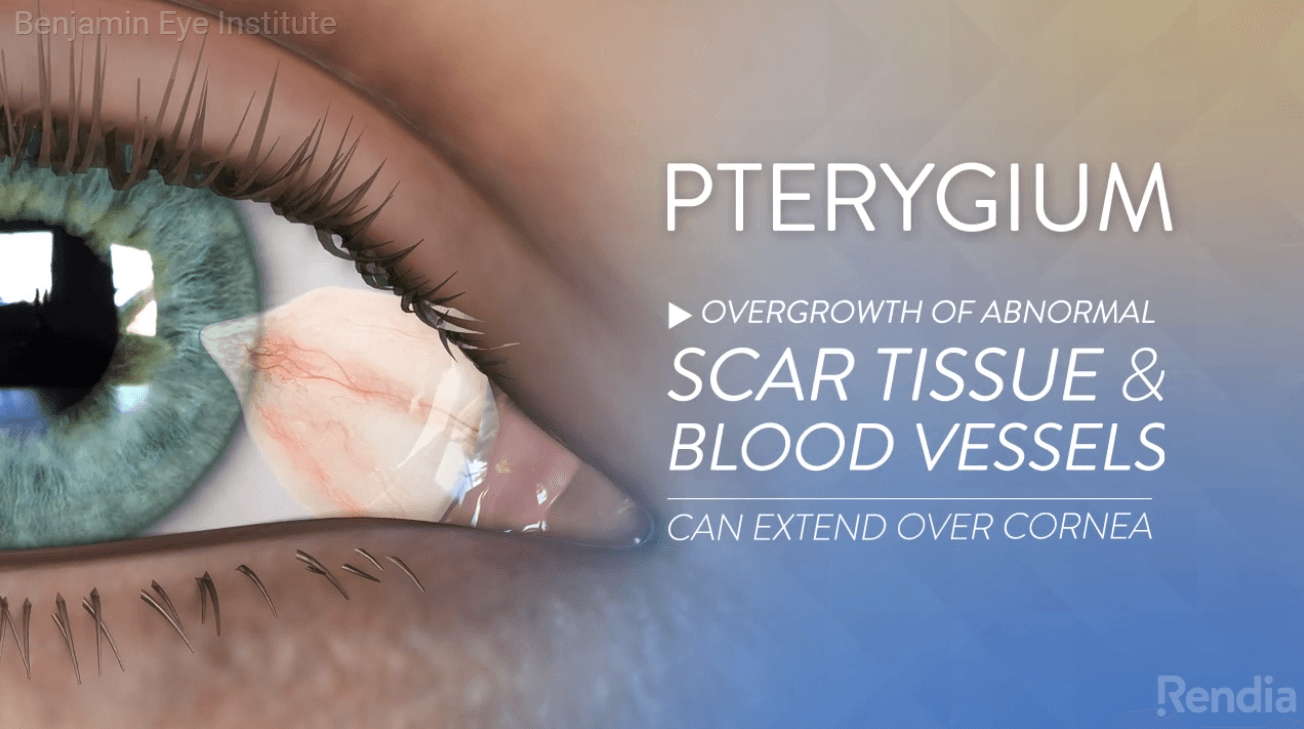
Pterygium removal is a surgical procedure that removes abnormal tissue growing onto the cornea, often followed by a conjunctival autograft or amniotic membrane graft to support healing and reduce recurrence. This recovery guide explains what to expect after surgery, how to use prescribed ointments and drops, why UV protection is essential, how dry eye management supports healing, and when to contact our office during recovery.

more
My Prokera® Slim Treatment: Ocular Surface Treatment

My Prokera® Slim Treatment: Ocular Surface Treatment

June 23, 2026

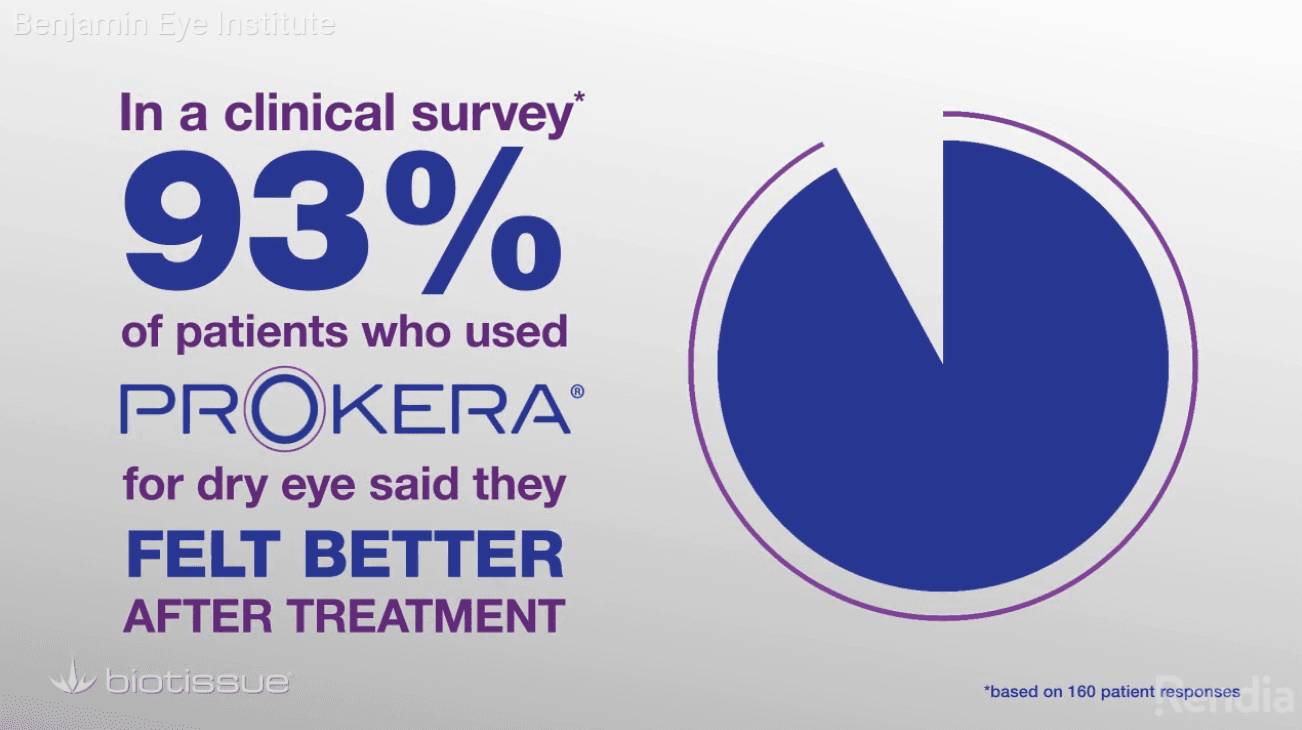
Prokera® Slim is an FDA-cleared biological medical device that uses amniotic membrane to support healing of the ocular surface. This treatment may help reduce inflammation, suppress scarring, and restore damaged eye tissue in conditions such as keratitis, chemical burns, corneal scars, epithelial defects, and severe dry eye. Prokera is placed in the office, worn continuously for several days, and removed by Dr. Benjamin at a follow-up visit.

more
My Valeda Treatment: Age-Related Macular Degeneration

My Valeda Treatment: Age-Related Macular Degeneration

June 17, 2026

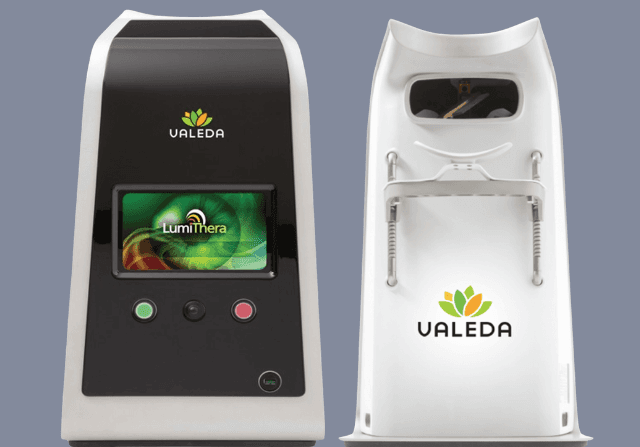
Valeda Light Delivery System is an advanced treatment for dry age-related macular degeneration, designed to support retinal cells and help preserve visual function. The procedure uses photobiomodulation — low-level light therapy with specific wavelengths — and is performed quickly, without pain, eye drops, injections, or recovery time.

more
YAG Laser Capsulotomy: Clearer Vision After Cataract Surgery

YAG Laser Capsulotomy: Clearer Vision After Cataract Surgery

June 17, 2026

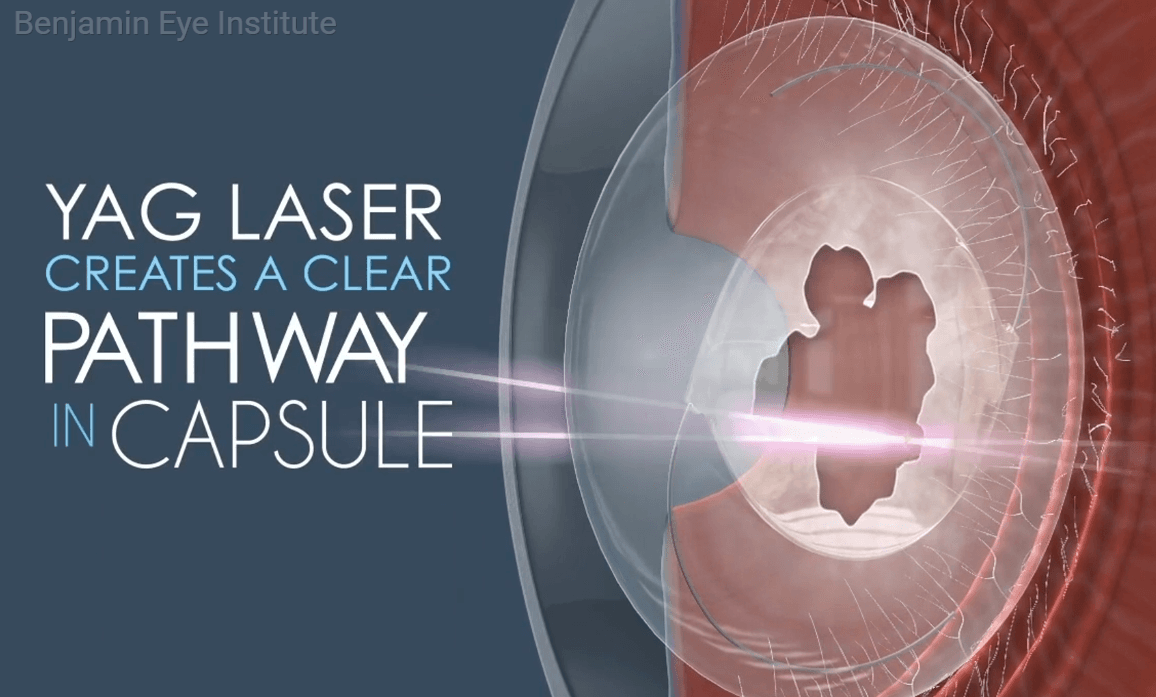
If your vision becomes blurry, hazy, or foggy months or years after cataract surgery, it may be caused by posterior capsule opacification — often called a “secondary cataract.” This is a common and treatable condition, not a return of the original cataract. At Benjamin Eye Institute, Dr. Arthur Benjamin performs YAG laser capsulotomy in the office to quickly and painlessly clear the cloudy capsule behind the lens implant, with no incisions or stitches and clearer vision often restored the same day.

more
Blepharoplasty Recovery Guide: Eyelid Surgery Aftercare

Blepharoplasty Recovery Guide: Eyelid Surgery Aftercare

June 17, 2026

Blepharoplasty is a surgical procedure that rejuvenates the upper and/or lower eyelids by removing excess skin, fat, and muscle. This recovery guide explains what to expect after eyelid surgery, including swelling, bruising, cold compresses, suture removal, activity restrictions, and important instructions to support safe healing and the best possible aesthetic result.

more
My SLT Treatment: Laser Treatment for Glaucoma

My SLT Treatment: Laser Treatment for Glaucoma

June 17, 2026

Selective Laser Trabeculoplasty (SLT) is an in-office laser treatment designed to lower intraocular pressure in patients with glaucoma or ocular hypertension. This guide explains how SLT works, what to expect during the procedure, how Dr. Benjamin’s 180° treatment strategy is used, and why SLT may reduce or delay the need for daily glaucoma eye drops.

more

SCHEDULE YOURCONSULTATION TODAY!