310.275.5533
call or text
310.275.5533
call or text
Home » Ophthalmology Blog » How I Saw Six-and-a-Half Moons (part 2)

How I Saw Six-and-a-Half Moons (part 2)

Published: November 17, 2022

It turns out that depression makes contrast perception more difficult. Does putting on "rose-colored glasses" make them feel better? Read on

How I Saw Six-and-a-Half Moons (part 2)

How I Saw Six-and-a-Half Moons (part 2)

Part 1

“Aim for the moon. If you miss, you may hit a star”. W. Clement Stone

So the point is…?

 It turns out that people with depression have a harder time distinguishing contrast.  The reason that the world appears grey or blue to someone is associated with this phenomenon (hence, “feeling blue”).

Is it possible to improve their mood with “rose-colored glasses”?

Yes, just not with pink!  Some intraocular lenses are made with a yellow chromophore to give the patient’s vision a warmer tone.  It is approximately the amount of yellow present in the lenses of a 15-year-old, and it allows less blue to filter through.  Therefore, it was expected that these lenses would have the same effect as yellow-tinted glasses.  However, research has shown that depression is equally common among people who use these yellow lenses.  So if you have the intraocular lenses, you must use the glasses, as well.

But there are some people who can’t distinguish color at all.  Surely that affects their mood?

 You are talking about achromatopsia, or the lack of color vision.  There are famous cases in which artists, after injury, have become colorblind, as is graphically described in Oliver Sacks’ book The Man Who Mistook His Wife for a Hat.  A healthy person is trichromatic; they have three types of cones or receptors.  Dichromatics only two.  In monochromatics, all three mechanisms are damaged (although sometimes only two), and they can only see black and white.  Interestingly, though, people with congenital achromatopsia are not necessarily at a loss, as they see the world with a unique beauty, distinguishing between different shades of grey.  They can also distinguish color photos from black-and-white.

In your experience, do you see a connection between vision and state-of-mind?

 Every day!  Sometimes we are brought elderly patients in wheelchairs and they are nearly catatonic.  They don’t participate in life, aren’t interested in TV or books, and sit in the wheelchair with their head down.  Family doctors and psychiatrists often hurriedly diagnose them with depression, dementia, Alzheimer’s, and the like, but a second opinion should always include a test for cataracts.  What if these people are failing to respond to the world because they have poor vision or hearing?  It has often happened that I remove a patient’s cataracts and they come back to life!  They start walking, talking, and taking a genuine interest in life again.

Psychologically, it’s almost a resurrection.

 I must admit that when I can help someone and see such dramatic change…  it elevates my mood to the highest level.

LASIK, CATARACT, GLAUCOMA: Take advantage of the latest technology and one of the best teams in LABenjamin Eye Institute 310-494-7193

Back

SEE WHAT OURPATIENTS HAVE TO SAY

Posted on Google Google
Jim B profile picture
Jim B
Google star 1Google star 2Google star 3Google star 4Google star 5Trustindex verifies that the original source of the review is Google.
Everyone is always pleasant and kind and attentive. Focused and on schedule.

Owner's reply
Thank you for your wonderful feedback, Jim! We're thrilled to hear you had a great experience from start to finish. Your recommendation means a lot to us! We look forward to serving you again in the future.
Posted on Google Google
Nick Ben-Meir profile picture
Nick Ben-Meir
Google star 1Google star 2Google star 3Google star 4Google star 5Trustindex verifies that the original source of the review is Google.
Efficient service, and Dr Benjamin ahead of the curve, as always

Owner's reply
Thank you for your 5-star review, Nick!
Posted on Google Google
sharon piehl profile picture
sharon piehl
Google star 1Google star 2Google star 3Google star 4Google star 5Trustindex verifies that the original source of the review is Google.
Everyone was very kind and I felt comfortable being there for the first time.

Owner's reply
Dear Sharon, Thank you so much for your kind review. We’re so glad to hear that you felt comfortable and well cared for during your first visit. We truly appreciate you choosing Benjamin Eye Institute and look forward to seeing you again. The Benjamin Eye Institute Team
Posted on Google Google
Luba Lubov profile picture
Luba Lubov
Google star 1Google star 2Google star 3Google star 4Google star 5Trustindex verifies that the original source of the review is Google.
Great experience and I recommend this eye doctor.

Owner's reply
Thank you, Luba, for your very kind words! Looking forward to seeing you soon at Benjamin Eye Institute!
Posted on Google Google
Peter Trivelas profile picture
Peter Trivelas
Google star 1Google star 2Google star 3Google star 4Google star 5Trustindex verifies that the original source of the review is Google.
Profesional, skilled, personal, friendly.

Owner's reply
Thank you so much, Peter! Your kind words mean a great deal to us!
Posted on Google Google
Marjorie Dick Stuart profile picture
Marjorie Dick Stuart
Google star 1Google star 2Google star 3Google star 4Google star 5Trustindex verifies that the original source of the review is Google.
Always the best! Beautiful office, beautiful , helpful staff, amazing customer service, all the best equipment, and the best doctor. They will take good care of you!

Owner's reply
Thank you so much, Marjorie! Your kind words mean a great deal to Dr. Benjamin and our entire team! We truly appreciate your trust!

Related Articles

IOL Exchange Surgery: When a Lens Implant Needs to Be Removed and Replaced

IOL Exchange Surgery: When a Lens Implant Needs to Be Removed and Replaced

May 28, 2026

An IOL exchange is a specialized procedure used to remove and replace a previous lens implant when the original IOL no longer provides the best possible vision or when a different lens may better support the patient’s needs.

more
Cataract Surgery with OMNI MIGS: restoring vision while protecting eye health

Cataract Surgery with OMNI MIGS: restoring vision while protecting eye health

January 29, 2026

Cataract surgery today is no longer just about removing a cloudy lens—it’s about improving overall eye health and long-term visual outcomes. For patients who have both cataracts and glaucoma (or elevated eye pressure), modern ophthalmology now offers a powerful combined solution: cataract surgery with OMNI® minimally invasive glaucoma surgery (MIGS).

more
Cataract Surgery: Myths vs. Facts

Cataract Surgery: Myths vs. Facts

May 14, 2025

Cataracts are a common vision concern, yet misinformation still makes many people hesitant about seeking treatment. At Benjamin Eye Institute, we're here to clear the confusion and ensure you have the facts about cataract surgery.

more
The Ultimate Vision Transformation: From ICL to LASIK to Light Adjustable Lens!

The Ultimate Vision Transformation: From ICL to LASIK to Light Adjustable Lens!

February 20, 2025

Meet Ronnie, a longtime friend and patient of Dr. Arthur Benjamin, who has been on an incredible vision correction journey! From wearing rigid gas permeable contact lenses and being severely nearsighted (-16 to -17 prescription) to undergoing Intraocular Phakic Contact Lens (ICL) implantation, LASIK, and now Cataract Surgery—his case is a true eye care success story!

more
See the Difference: How ALLY® Is Changing Cataract Surgery

See the Difference: How ALLY® Is Changing Cataract Surgery

January 31, 2025

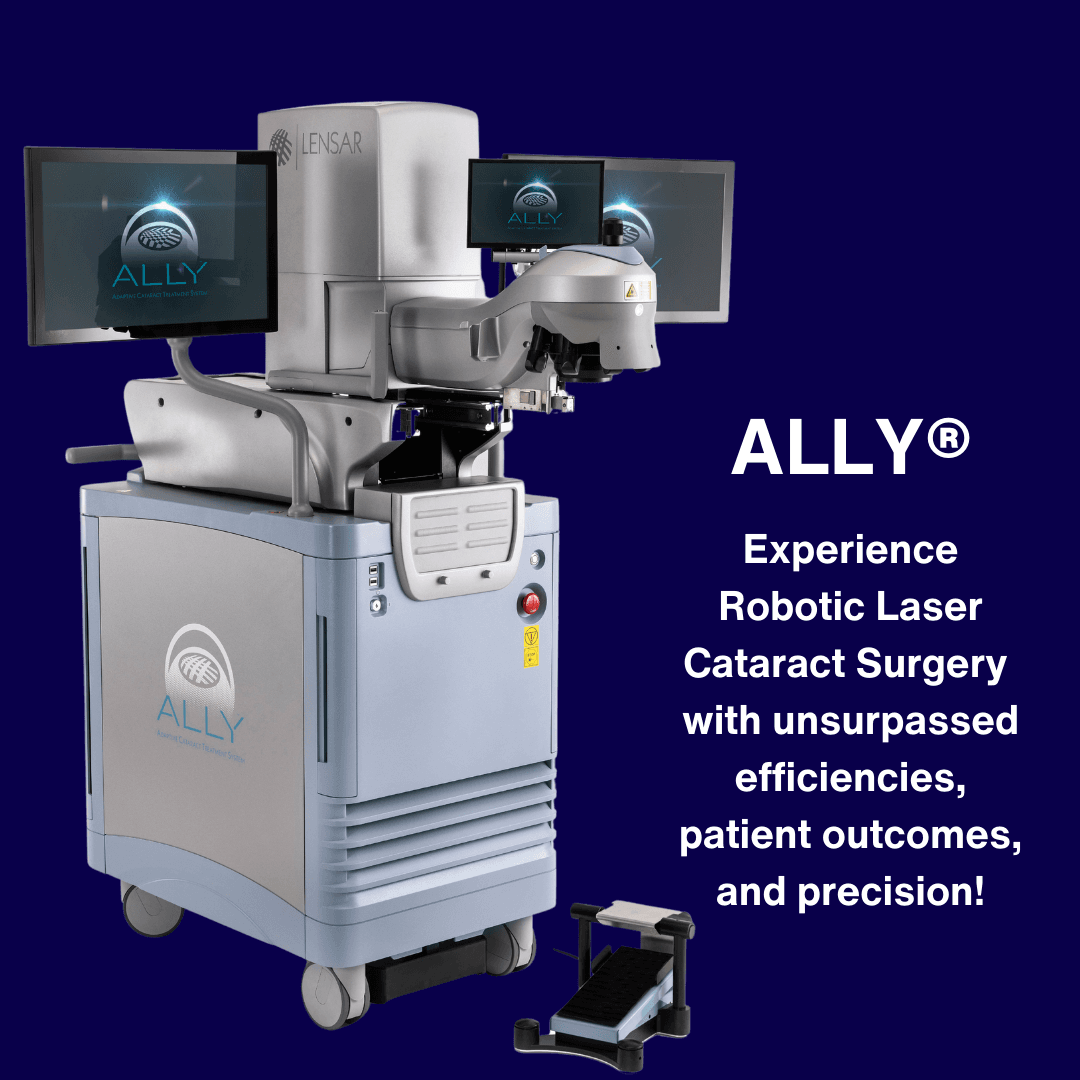
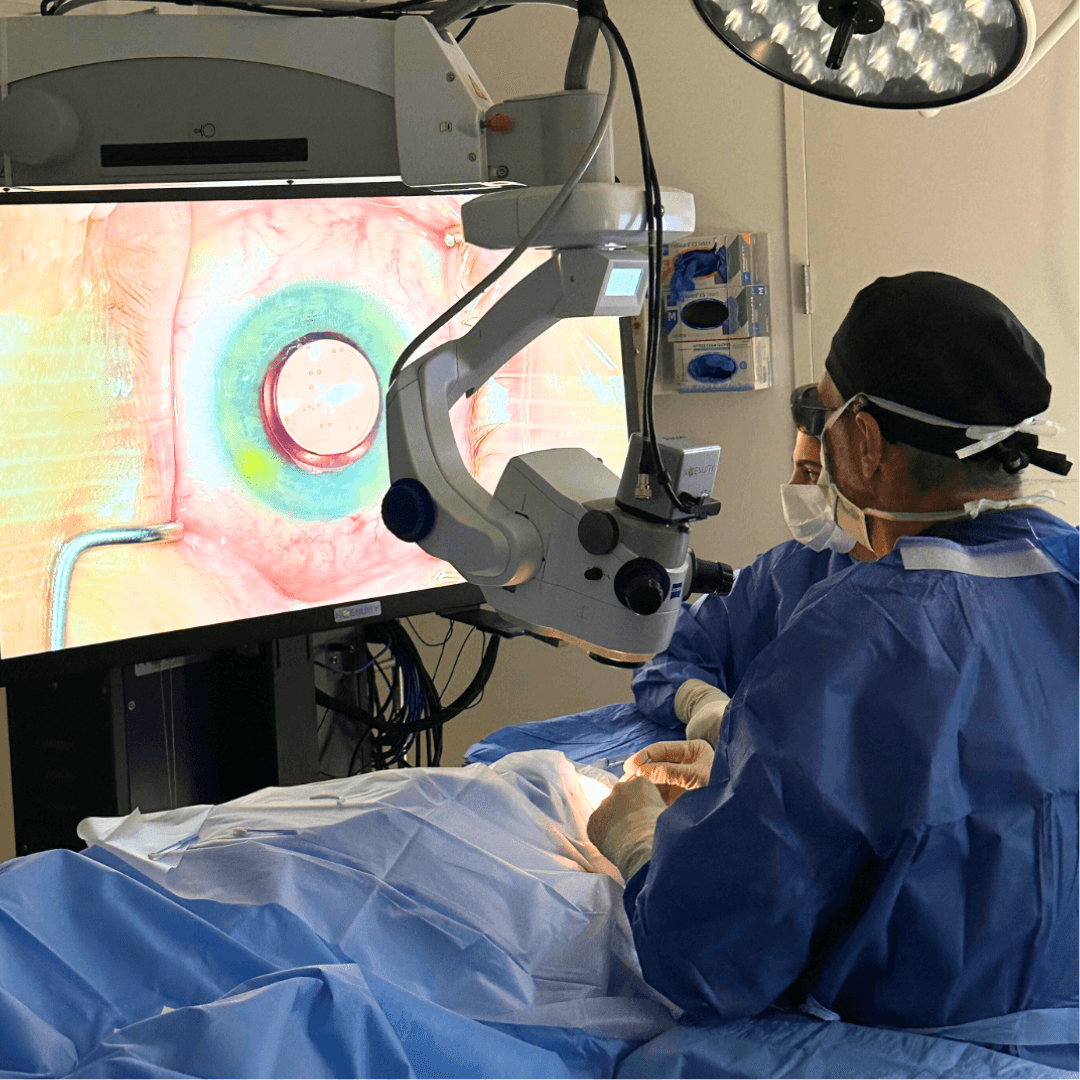
Dr. Arthur Benjamin is one of the first surgeons in Los Angeles to offer custom laser cataract surgery with the revolutionary ALLY® Adaptive Cataract Treatment System. This cutting-edge technology combines advanced imaging with optimized femtosecond laser precision, allowing the entire procedure to be performed in a single, sterile setting—enhancing efficiency, accuracy, and patient comfort.

more
Cataract Surgery: What You Need to Know

Cataract Surgery: What You Need to Know

January 30, 2025

Are you experiencing blurry vision, increased sensitivity to light, or trouble seeing at night? These could be signs of cataracts—a common age-related condition that affects millions of people worldwide. Fortunately, cataract surgery is a safe, effective, and life-changing procedure that restores clear vision and enhances your quality of life.

more
The Essential Guide to Cataract Surgery

The Essential Guide to Cataract Surgery

September 10, 2024

The first thing you should do after receiving the official diagnosis of cataract is to remain calm because they are easily curable. Making the appropriate choices for a location and doctor for treatment is the second and most important step. Here are 8 Important Questions You Should Ask Your Surgeon. By asking any potential surgeon these eight questions, you can feel confident you’re putting your vision in the right hands, and you will soon say goodbye to your cataracts and hello to the clearest vision you have ever experienced.

more
Introducing the Bausch and Lomb Aspire IOL: A New Standard in Vision Clarity

Introducing the Bausch and Lomb Aspire IOL: A New Standard in Vision Clarity

June 12, 2024

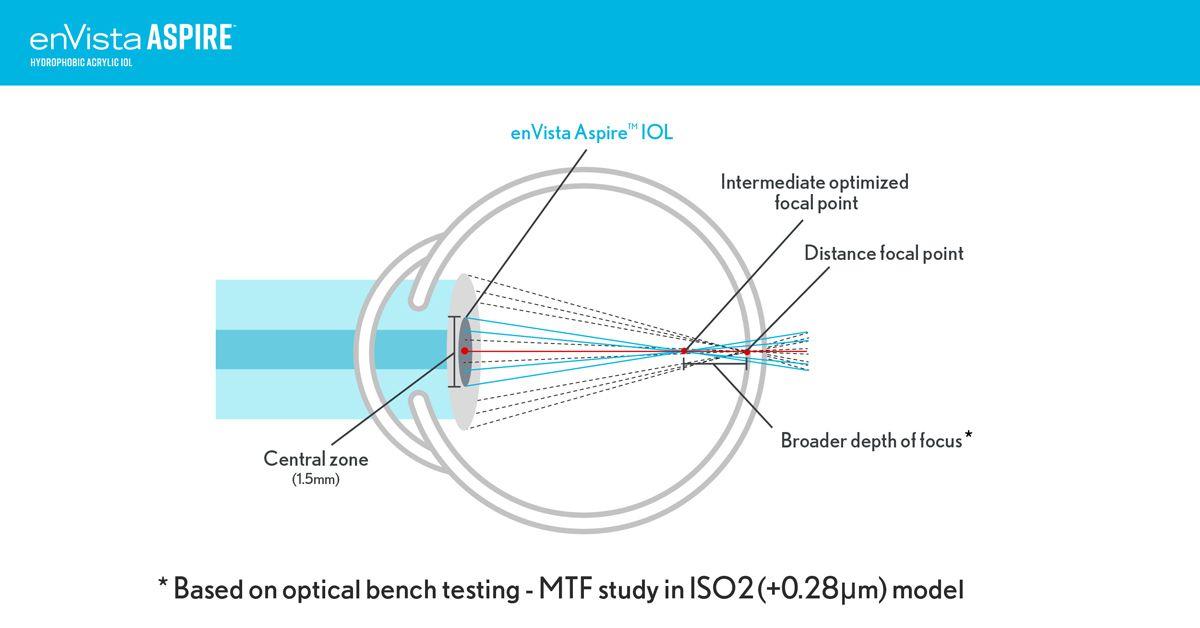
At the Benjamin Eye Institute, we are thrilled to introduce the latest innovation in intraocular lenses (IOLs) from Bausch and Lomb – the Aspire non-diffractive extended depth of focus IOL. Available in both Toric and Spherical versions, the Aspire IOL offers an exceptional option for patients who dream of reducing their dependence on glasses for both near and far vision.

more

SCHEDULE YOURCONSULTATION TODAY!