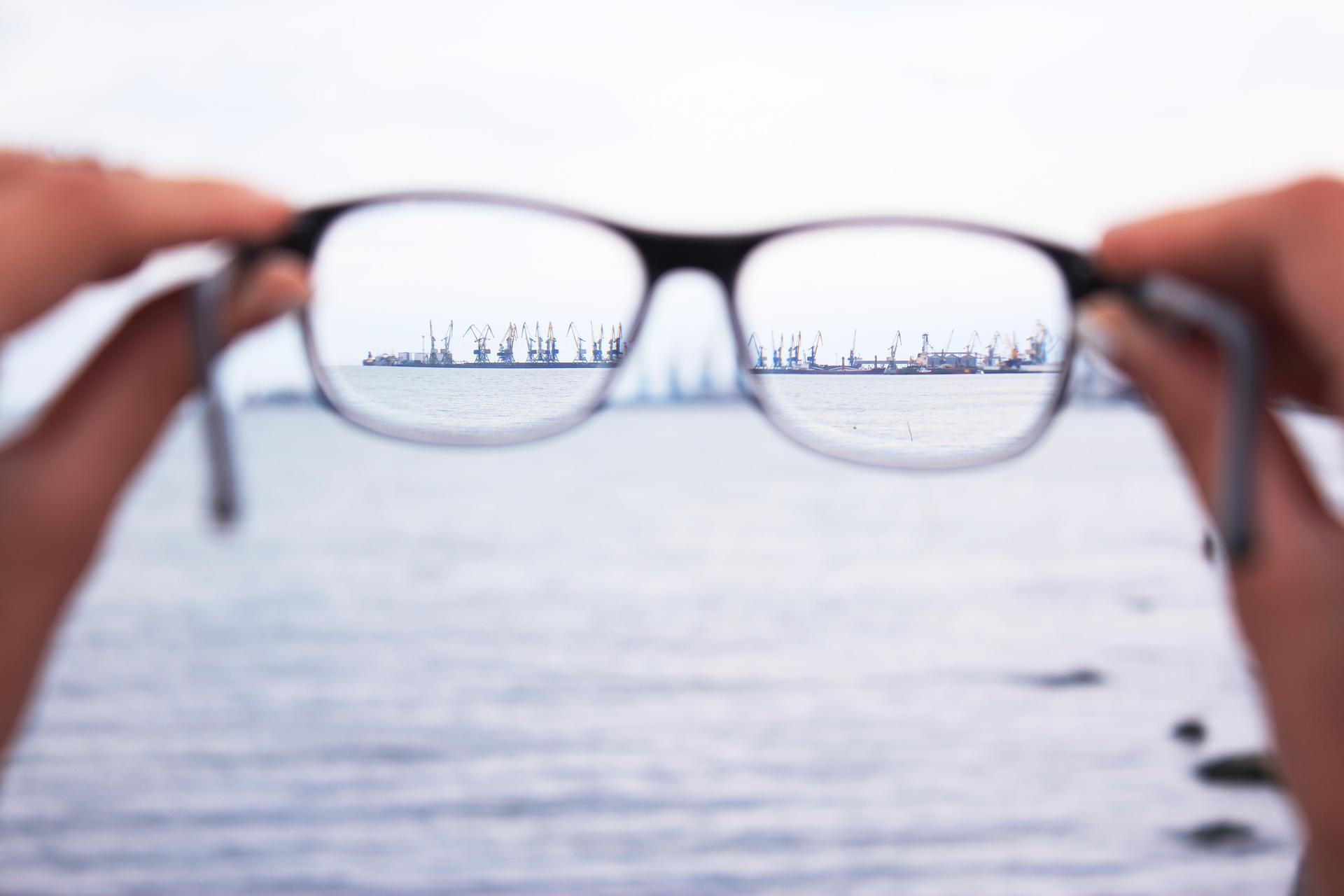
Need more focus in your life? Meet Symfony lenses– artificial lenses of the new generation that will give you a great vision as well as great focus (from far to very close). After all, you will finally be able to see the mountains, sky, television, traffic signs, addresses and telephone numbers. Hooray!
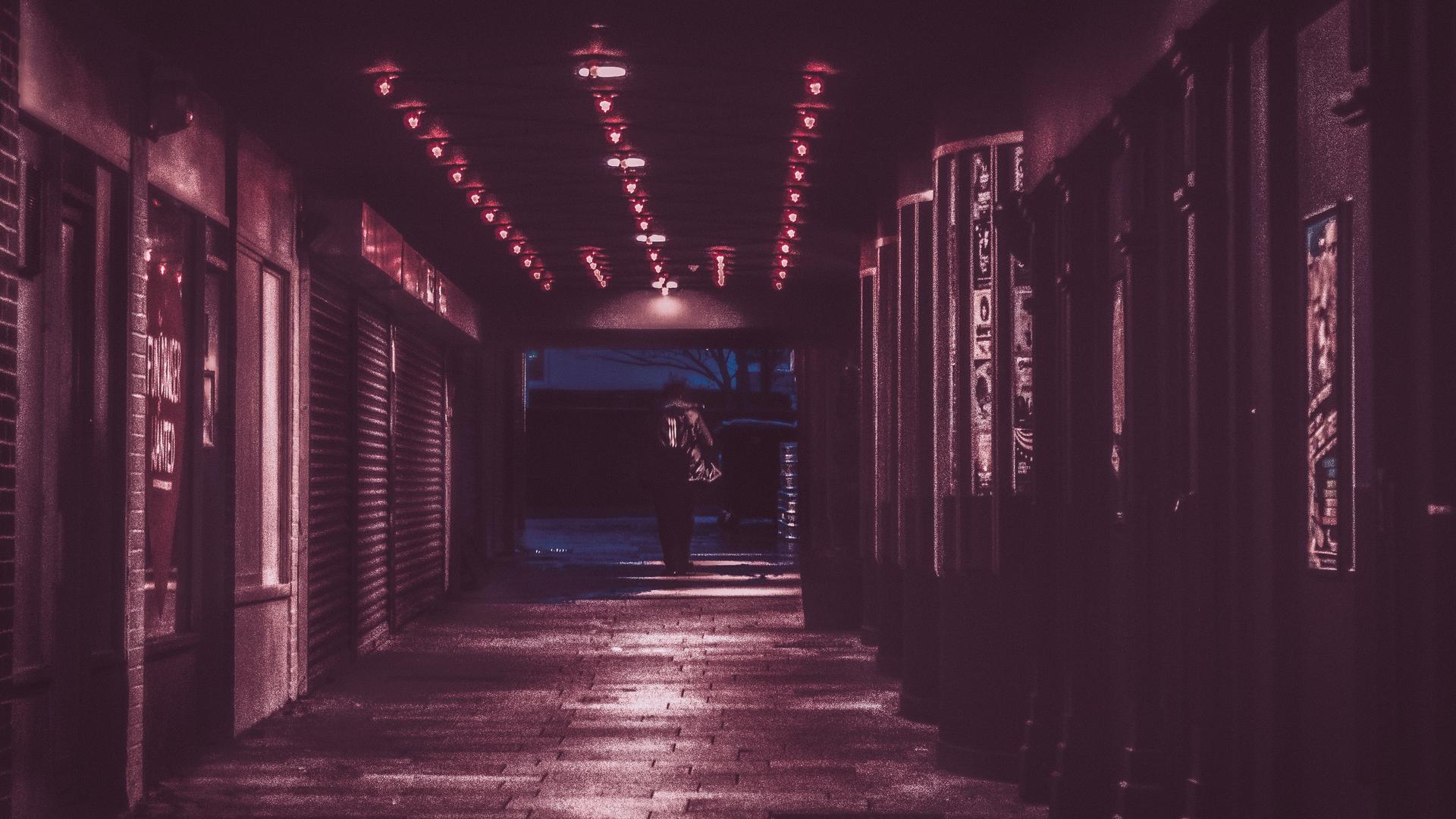
Even dim lighting is not best for your sleep. Blue light is known to harm our circadian rhythm, so even a little bit of lighting still can contribute to the overall inflammation in the body.

If you would ask a question is there a connection between vision and mood? The answer would be our office’s slogan, “Life is Beautiful, See It.”

It turns out that depression makes contrast perception more difficult. Does putting on "rose-colored glasses" make them feel better? Read on
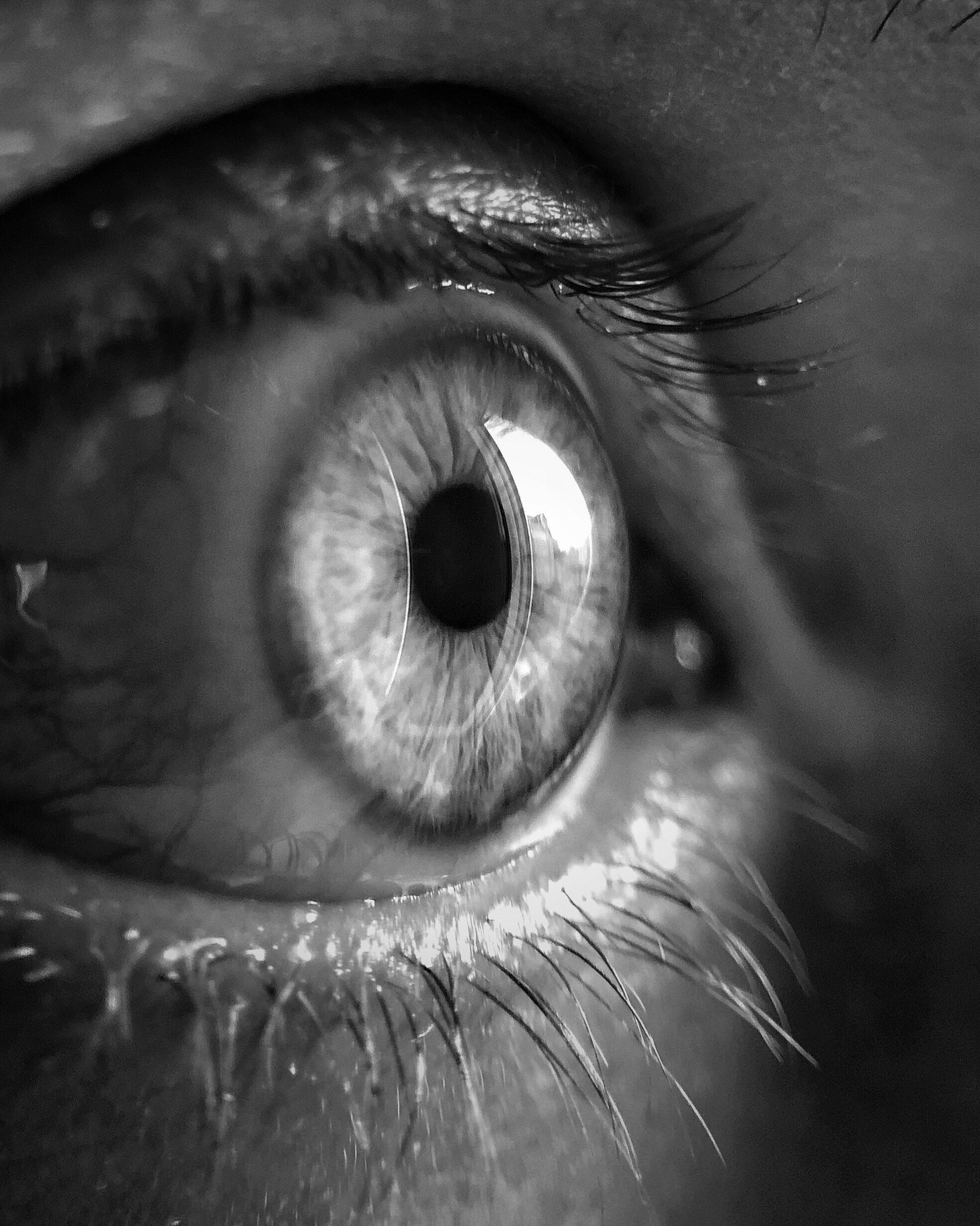
There are probably 100 million people who went through the procedure of Lasik, but a few of them could name a doctor or place, not to mention the measurements before and after the operation. However, it is this kind of information that is fundamental in the successfull treatment of patients with cataract with "Lasik anamnesis".

Here come the great news! New research shows that dark green vegetables like spinach, broccoli, and cabbage as well as citrus fruits, pineapples, carrots and tomatoes can slow down the onset of cataracts!
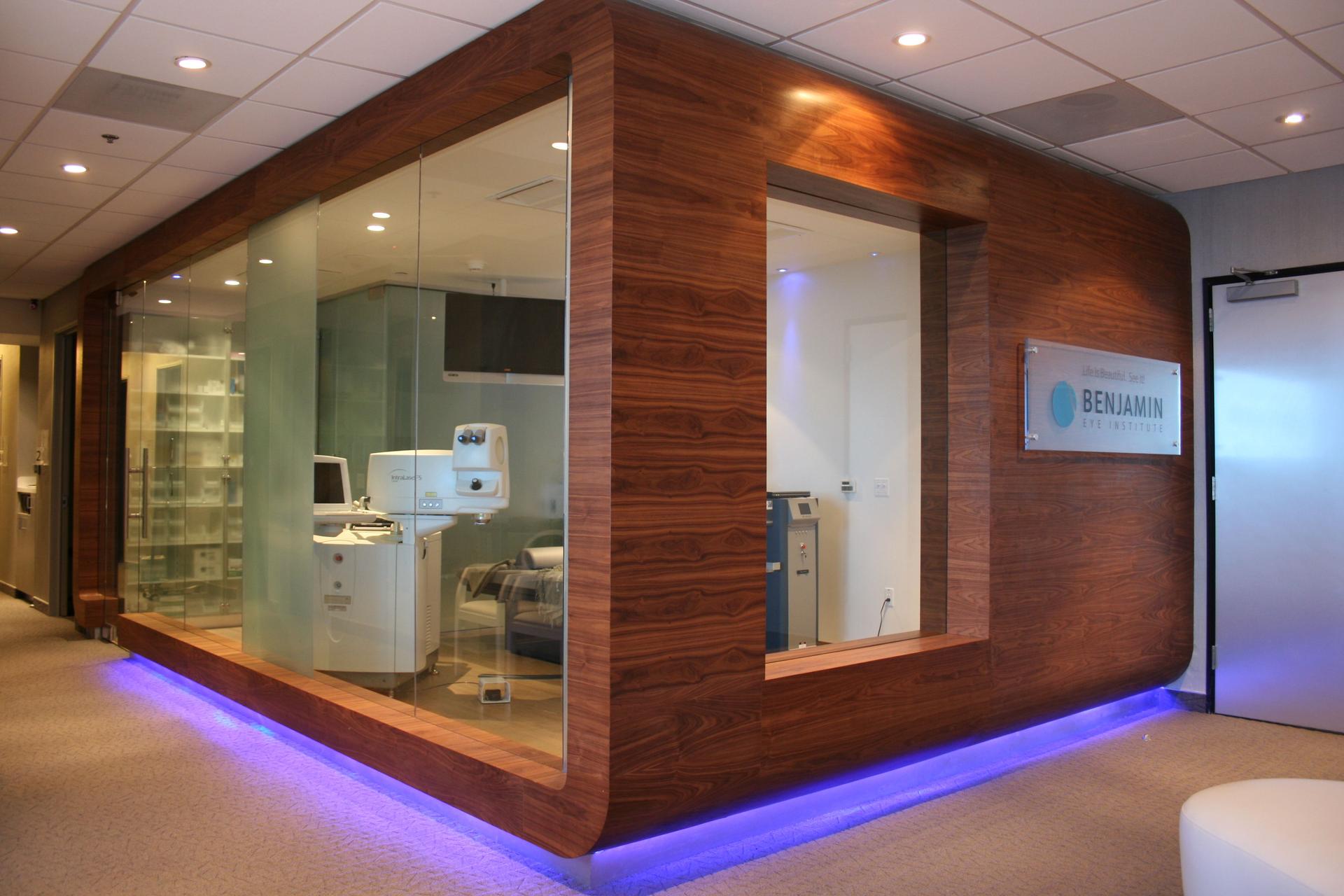
It is important to do your research and choose an eye doctor very carefully. Ask your friends and family for references. Don't take the health of your eyes lightly! After all, you only have one pair for your lifetime!

Symfony lenses are new artificial lens that offer perfect vision and high-contrast at any distance, or even in low light. However, only 30-60% of people with cataracts are suitable candidates. You need to be thoroughly examined first to see if you are a good candidate.

Scientists have been trying to figure out why certain illnesses, like memory loss, slower reaction times, sleeplessness, and even depression, get worse as we age. Such suspects as high cholesterol, obesity, heart disease, and an inactive lifestyle have all been explored. The aging of the eye is now supported by an intriguing body of evidence as a largely ignored cause.